
Common Mistakes in PUF Panel Installation

PUF Panels have become a preferred building solution for modern construction projects due to their excellent thermal insulation, lightweight design, durability and fast installation. They are widely used in industrial sheds, warehouses, cold storage facilities, commercial buildings, modular offices and clean rooms, where energy efficiency and structural performance are top priorities. However, despite their growing popularity, many projects experience unavoidable issues because of mistakes while installing PUF Panels and mistakes in PUF roofing installation. Even a minor error during the installation process can affect the overall performance and lifespan of the structure.
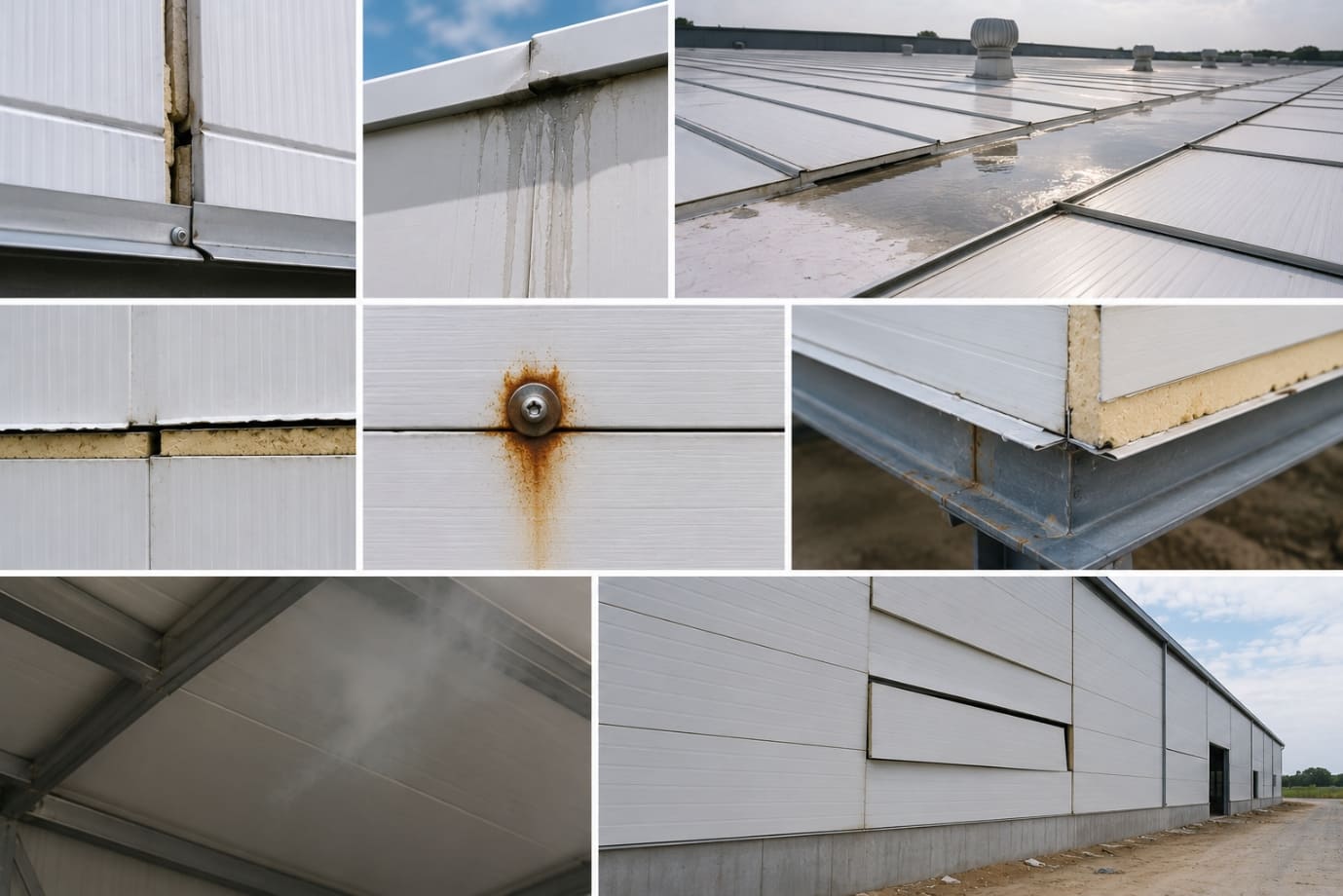
Common Mistakes in PUF Panel Installation

The quality of installation plays an equally important role as the quality of the panels themselves. Investing in premium PUF Panels does not guarantee long-term results if they are not installed according to recommended standards. Common problems such as mistakes while PUF panel wall installation, incorrect panel alignment, poor sealing or flashing installation mistakes can lead to water leakage, thermal bridging, air infiltration and higher maintenance costs. Similarly, mistakes in PUF panel fitting or improper handling during installation can compromise the structural integrity of the entire system, reducing its efficiency over time.

Whether you are a contractor, builder, project manager or business owner planning a prefabricated structure, understanding how to install PUF panels correctly is essential for achieving the best results. In this blog, we will explore the most common installation errors. We will also share practical tips and industry best practices to help you avoid these issues and ensure your PUF Panel installation delivers maximum durability, safety and energy efficiency for years to come.

Why Proper PUF Panel Installation Matters

The performance of PUF Panels depends not only on their quality but also on how to install PUF panels correctly. Even premium panels can fail to provide the desired insulation, durability and structural strength if there are mistakes while installing PUF Panels. Poor installation can lead to water leakage, air gaps, reduced energy efficiency and expensive repairs, making installation quality a key factor in the long-term success of any project.
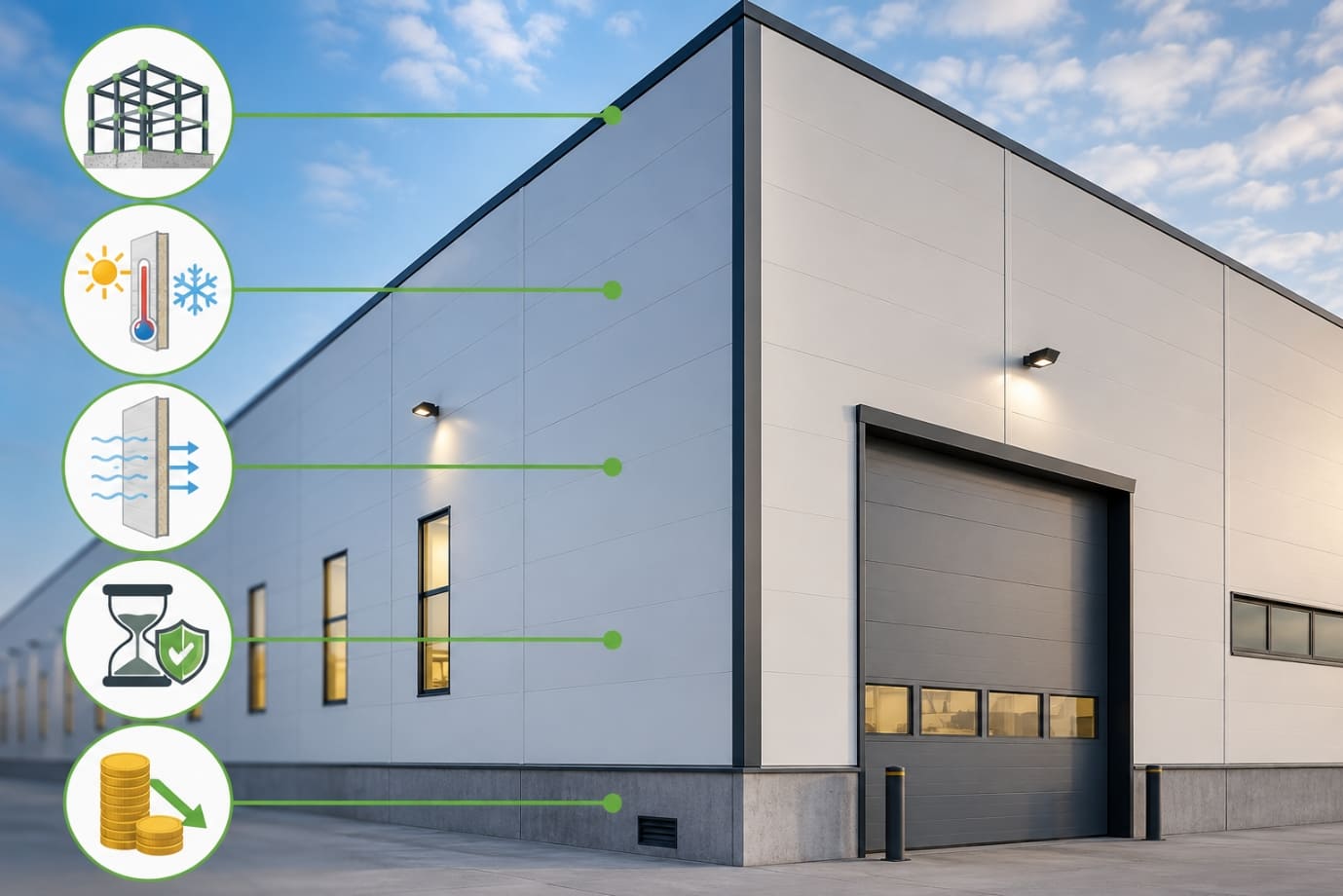
Why Proper PUF Panel Installation Matters

A professionally installed PUF Panel system offers several important benefits:

Simply put, proper installation directly impacts the lifecycle cost of a building. Investing in skilled installation today helps maximize the performance, durability and value of your PUF Panel system for years to come. You can also go through our dedicated page on PUF Panels.

Understanding the Basic PUF Panel Installation Process

Before discussing the common mistakes while installing PUF Panels, it is important to understand the correct installation process. Knowing how to install PUF panels properly helps ensure structural stability, excellent insulation and long-term durability. Every stage of the installation process is equally important and even a small mistake can affect the overall performance of the building.

A standard PUF Panel installation process typically includes the following steps:

Understanding these basic steps makes it easier to identify common mistakes while installing PUF Panels and follow the right practices for a durable, energy-efficient structure. For detailed information, you can read our dedicated page on PUF Panel Warranty Coverage.

Common Mistakes while Installing PUF Panels

Even the highest-quality PUF Panels can fail to deliver their expected performance if they are not installed correctly. Most mistakes while installing PUF Panels occur due to poor planning, lack of technical knowledge or ignoring the manufacturer’s installation guidelines. These errors not only reduce the efficiency of the panels but also lead to higher maintenance costs, frequent repairs and a shorter building lifespan. Understanding these common mistakes can help you achieve a durable, safe and energy-efficient installation.

Choosing the Wrong Panel Thickness

One of the most common mistakes while installing PUF Panels is selecting the wrong panel thickness for the project. Every building has different insulation needs based on its location, purpose and operating conditions. Choosing the wrong thickness can reduce thermal performance and increase long-term operating costs.
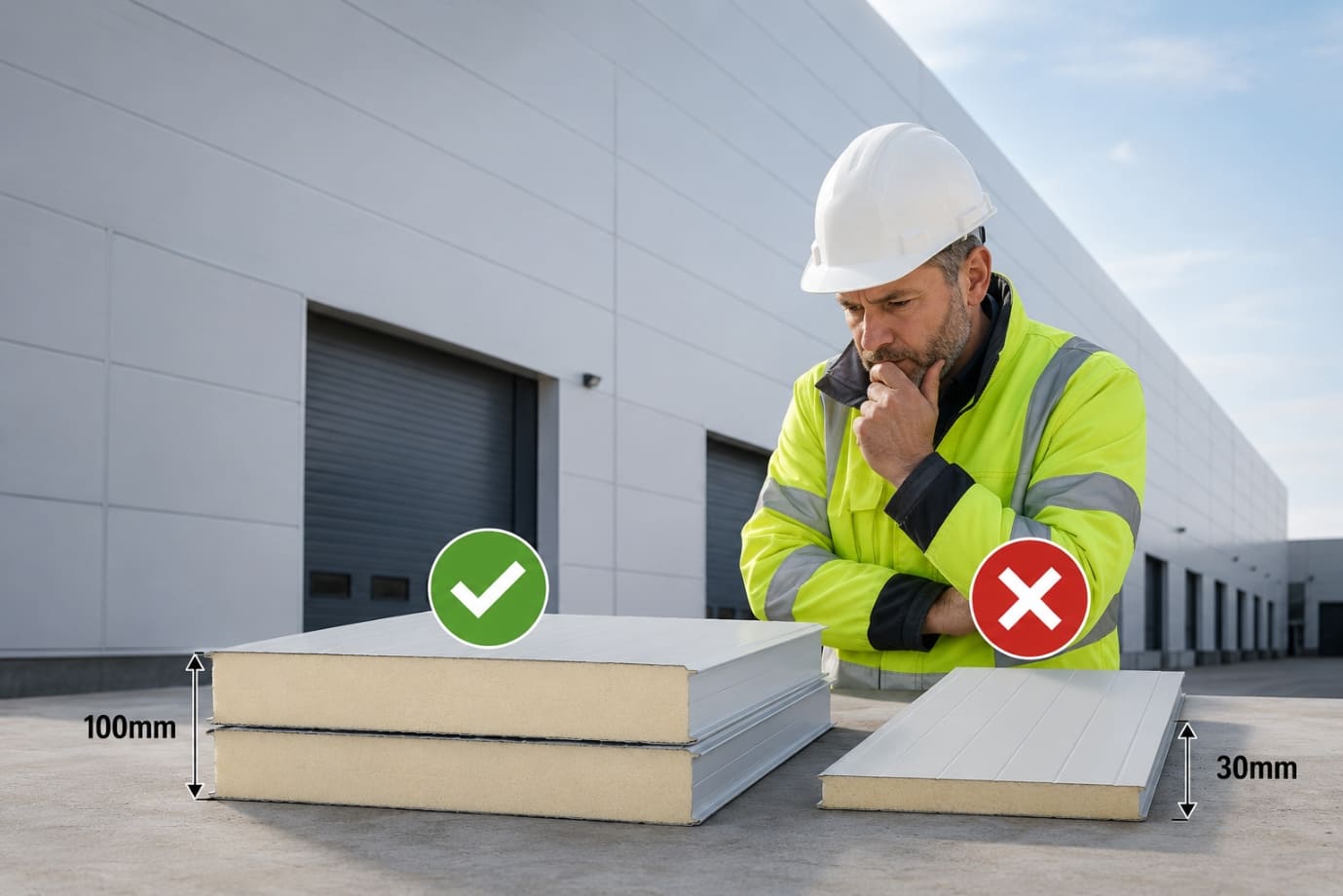
Choosing the Wrong Panel Thickness in installing PUF Panels

Consider the following factors before selecting panel thickness:

Using an incorrect panel thickness can result in poor insulation, increased energy bills and is one of the leading mistakes in PUF roofing installation and wall installation.

Ignoring Structural Alignment

Another major mistake while installing PUF Panels is overlooking the alignment of the supporting framework. Even premium-quality panels cannot perform properly if they are installed on an uneven or poorly prepared steel structure.

Proper structural preparation should include:

Ignoring these steps often leads to mistakes while PUF panel wall installation and mistakes in PUF roofing installation, affecting both the appearance and performance of the building.

Improper Handling during Transportation and Installation

Many mistakes while installing PUF Panels actually occur before the installation process begins. Improper transportation, storage and handling can damage the panels, making it difficult to achieve a secure and long-lasting installation.

To protect the panels, always avoid:

These issues often result in PUF sheet installation mistakes, poor sealing and reduced thermal performance.

Incorrect Fastener Selection

Using unsuitable fasteners is another one of the common mistakes while installing PUF Panels that can compromise the strength and durability of the entire structure. Choosing the wrong screws or ignoring installation guidelines may lead to loose panels, leakage and premature damage.

To ensure proper fastening:

Using the correct fasteners and installation accessories ensures better structural stability, weather resistance and a longer service life for your PUF Panel system.

Poor Joint Sealing

One of the most common mistakes while installing PUF Panels is not sealing the panel joints properly. Joint sealing plays a crucial role in maintaining the insulation, weather resistance and durability of the entire structure. Even high-quality PUF Panels cannot deliver their full performance if the joints are left unsealed or sealed incorrectly.
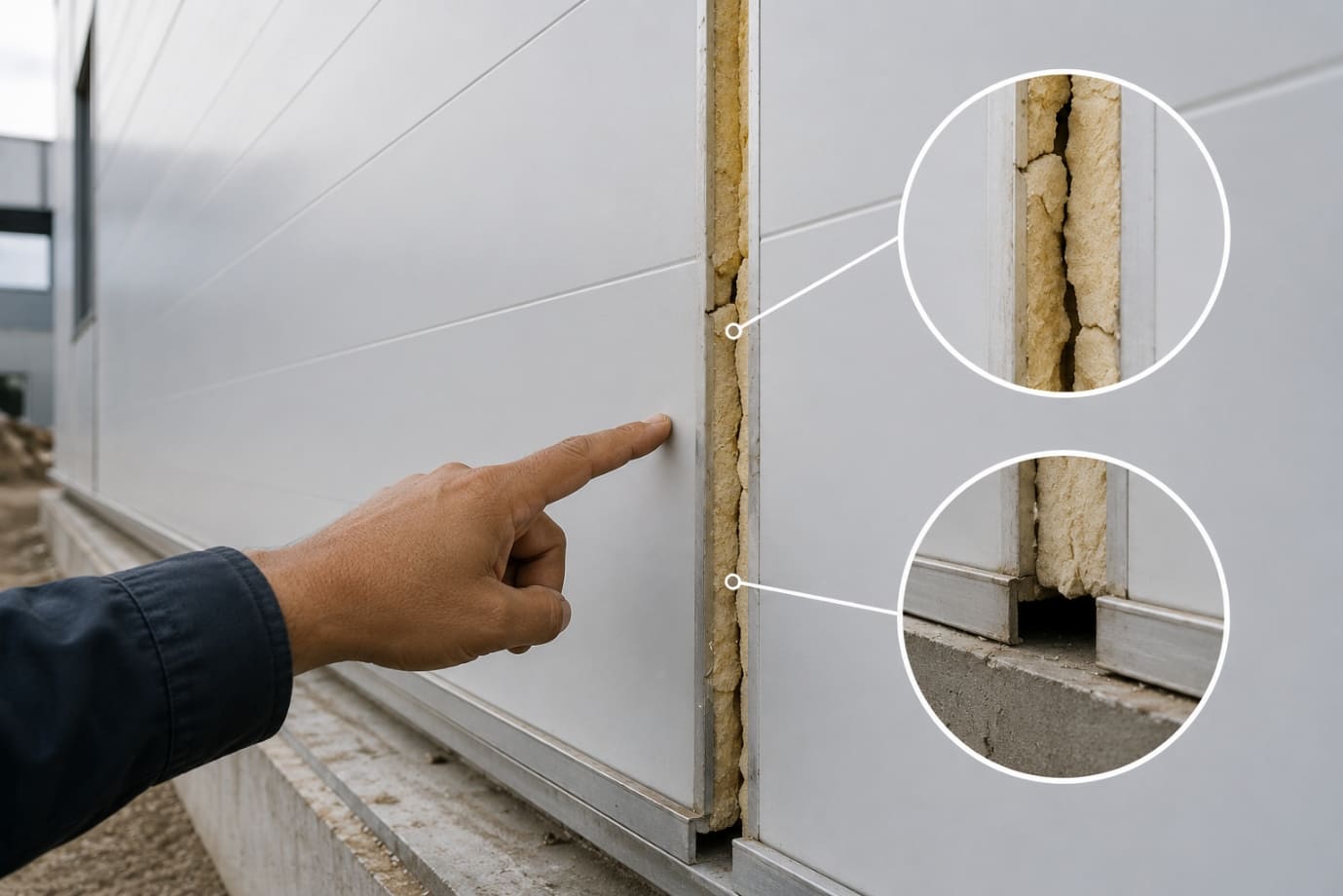
Poor Joint Sealing while installing PUF Panels

Some common problems caused by poor joint sealing include:

Proper sealing also helps avoid many PUF sheet installation mistakes and extends the lifespan of the building.

Over-Tightening or Under-Tightening Fasteners

Another one of the common frequent mistakes while installing PUF Panels is using the wrong fastening technique. Fasteners are responsible for securely holding the panels in place and both over-tightening and under-tightening can negatively affect the strength and stability of the installation.

Common issues include:

These are common mistakes while installation for roof PUF Panels and often contribute to mistakes while PUF panel wall installation. Following the manufacturer’s recommended fastening methods ensures a secure and long-lasting installation.

Improper Panel Alignment

Improper alignment is another one of the important mistakes while installing PUF Panels that can affect both the appearance and performance of the structure. Panels that are not positioned correctly create gaps, weaken the locking system and reduce the overall efficiency of the building.

Some common consequences are:

These issues are frequently seen in mistakes while PUF panel wall installation and mistakes in PUF panel roof installation, making accurate alignment a critical step.

Skipping Waterproof Flashings

Among the most overlooked mistakes while installing PUF Panels is skipping waterproof flashings or installing them incorrectly. Flashings protect critical areas of the roof from water penetration and help maintain a leak-proof, weather-resistant structure.

Flashings should always be installed around:

Ignoring these areas often leads to flashing installation mistakes, allowing water to penetrate the structure and damage insulation. Many PUF roofing sheets installation mistakes can be avoided by using quality flashing materials and following proper installation guidelines. A correctly installed flashing system improves weather resistance, protects the building from moisture damage and enhances the overall durability of the PUF Panel installation.

Poor Roof Slope Planning

One of the most common mistakes while installing PUF Panels is overlooking the importance of proper roof slope planning. The roof slope plays a vital role in directing rainwater away from the building. If the slope is too flat or incorrectly designed, water can remain on the roof for long periods, affecting both the panels and the supporting structure.
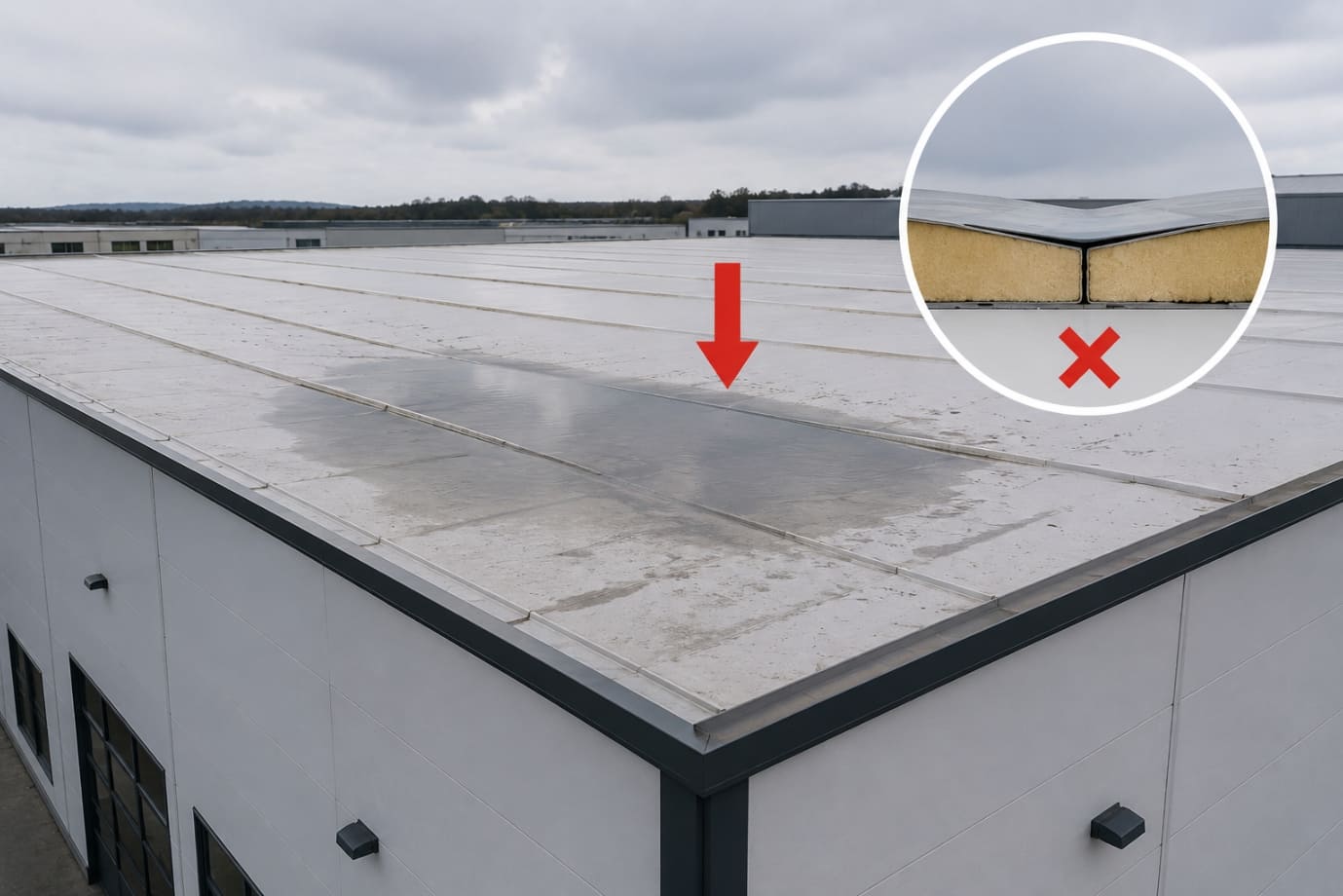
Poor Roof Slope Planning while installing PUF Panels

Poor roof slope planning can result in:

Many mistakes in PUF roofing installation can be avoided by designing the roof with the recommended slope and ensuring proper drainage during installation.

Neglecting Expansion Gaps

Another one of the important mistakes while installing PUF Panels is failing to provide adequate expansion gaps. Like most construction materials, PUF Panels expand and contract with changes in temperature. If there is no space for this natural movement, the panels may experience unnecessary stress over time.

Common problems caused by neglecting expansion gaps include:

Providing the recommended expansion gaps is an essential part of how to install PUF panels correctly. It also helps prevent mistakes in PUF panel fitting and ensures the panels maintain their structural stability and insulation performance for years.

Using Untrained Installation Teams

Hiring inexperienced installers is another major mistakes while installing PUF Panels. Even the highest-quality panels cannot perform efficiently if they are installed by teams that lack technical knowledge and practical experience. Professional installation requires proper training, precision and a thorough understanding of manufacturer guidelines.

Some common issues caused by untrained installation teams are:

Many mistakes while PUF panel wall installation and mistakes while installation for roof PUF Panels occur because installers are unfamiliar with the correct procedures. Choosing an experienced installation team significantly improves the quality, safety and durability of the project.

Skipping Final Quality Inspection

The final inspection is a critical step that should never be ignored. However, skipping this process is one of the most overlooked mistakes while installing PUF Panels. A thorough quality check helps identify minor issues before they become costly problems after the building is in use.

A complete final inspection should include:

This final quality check also helps identify flashing installation mistakes and other installation defects before project completion. By following this checklist, contractors can minimize future maintenance, improve building performance and ensure the PUF Panel system delivers long-term reliability.

Best Practices for Successful Installation of PUF Panels

A successful PUF Panel installation is not just about using quality materials, it also requires careful planning, skilled workmanship and adherence to industry standards. Understanding how to install PUF panels correctly helps prevent costly repairs and ensures the structure performs efficiently for years. Following a few best practices can significantly reduce the risk of mistakes while installing PUF Panels and improve the overall quality of the project.

Best Practices for Successful Installation of PUF Panels

To achieve a reliable and long-lasting installation, consider the following best practices:

By following these best practices, you can improve installation quality, maximize the performance of your PUF Panel system and ensure a durable, energy-efficient building with lower maintenance costs.

Signs That Your PUF Panels May Have Been Installed Incorrectly

Even high-quality PUF Panels can develop performance issues if proper installation practices are not followed. If you notice recurring problems after installation, they may be the result of mistakes while installing PUF Panels rather than defects in the panels themselves. Identifying these warning signs early can help prevent costly repairs and extend the lifespan of your building.
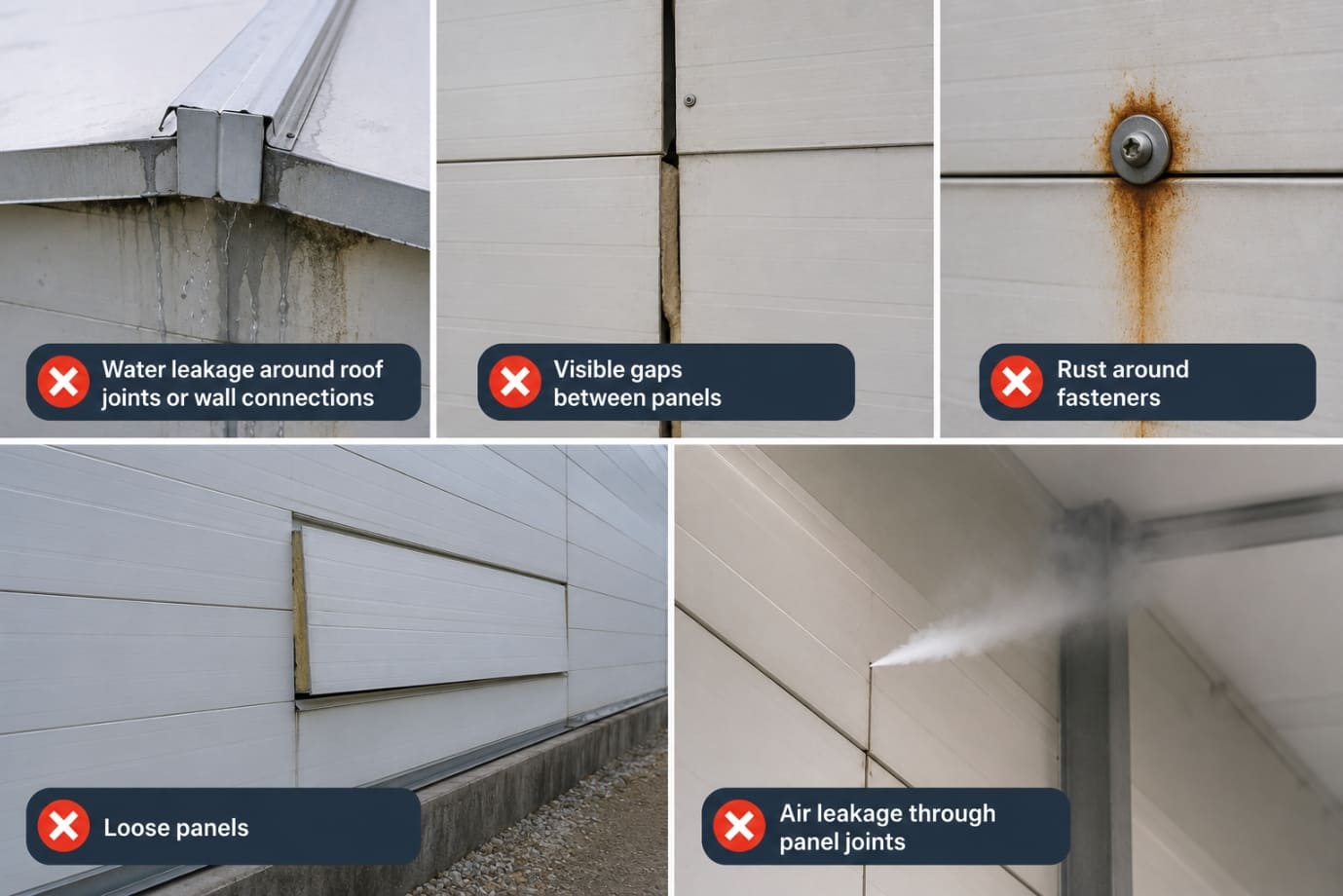
Signs That Your PUF Panels May Have Been Installed Incorrectly

Here are some common signs that indicate your PUF Panel installation may need professional inspection:

Most of these problems are linked to mistakes while installation for roof PUF Panels or mistakes while PUF panel wall installation. Knowing how to install PUF panels correctly and addressing these warning signs quickly can help restore the performance, safety and durability of your PUF Panel system while avoiding expensive maintenance in the future.

Maintenance Tips after Installing PUF Panels

Proper maintenance is essential to keep your PUF Panel system performing efficiently for many years. Even when you know how to install PUF panels correctly and avoid mistakes while installing PUF Panels, regular inspections and timely maintenance help preserve insulation performance, structural strength and weather resistance. A few simple maintenance practices can prevent small issues from turning into expensive repairs.
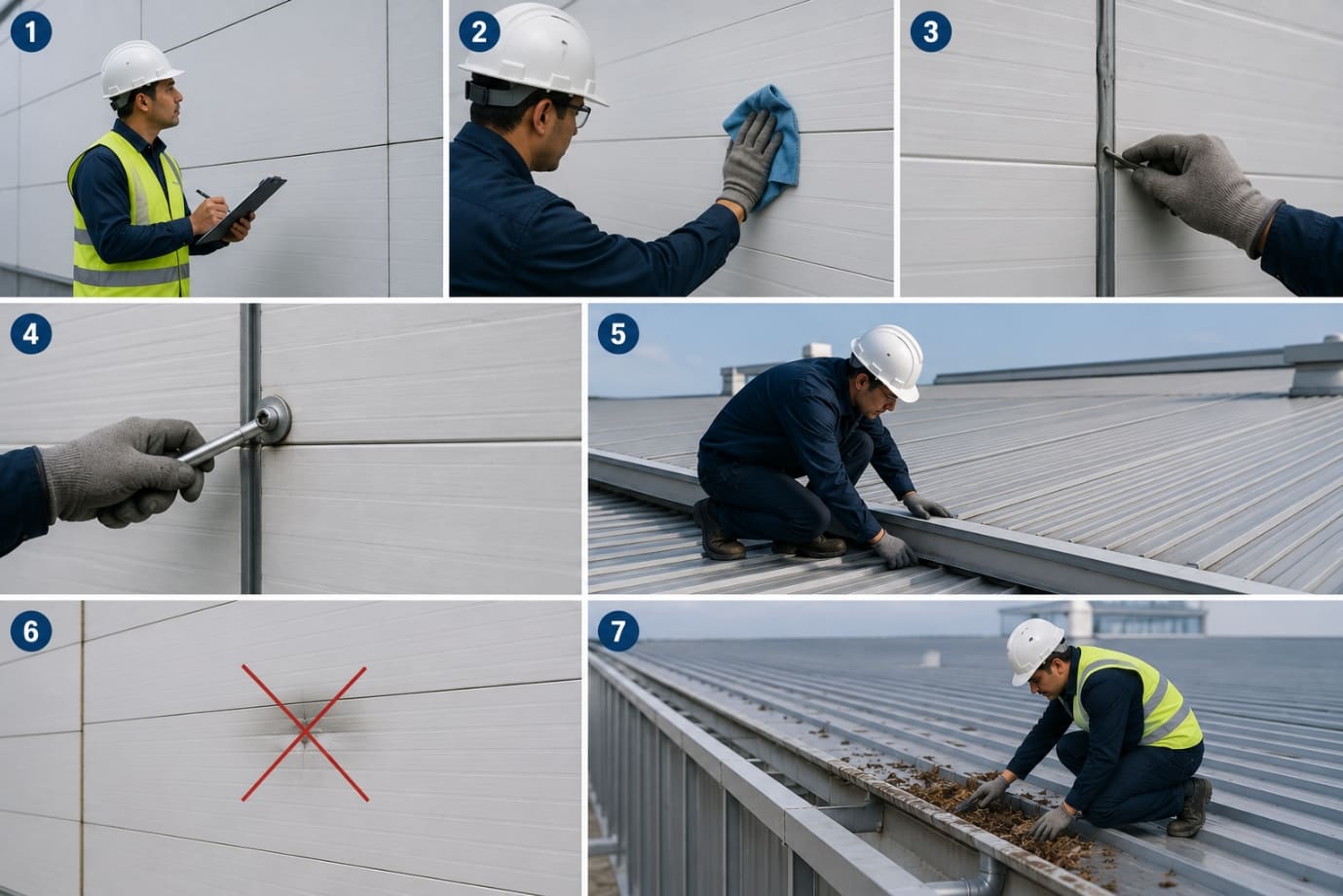
Maintenance Tips after Installing PUF Panels

Follow these maintenance tips to extend the life of your PUF Panels:

Regular maintenance also helps detect issues caused by mistakes in PUF roofing installation, mistakes while PUF panel wall installation and flashing installation mistakes. Addressing these problems early improves the durability, energy efficiency and long-term performance of your PUF Panel structure while reducing overall maintenance costs.

FAQs:

Q1. What are the most common mistakes while installing PUF Panels?

A. The most common mistakes while installing PUF Panels include choosing the wrong panel thickness, poor framework alignment, incorrect fastening, inadequate joint sealing, improper flashing and skipping the final quality inspection. These mistakes can reduce insulation performance, cause water leakage and increase long-term maintenance costs.

A. Common issues caused by mistakes while installation for roof PUF Panels include roof leakage, loose panels, improper drainage, corrosion around fasteners and premature roof damage. Following proper installation practices helps improve weather resistance and extends the roof’s service life.

A. Proper alignment ensures that the panels fit tightly together without gaps. Mistakes while PUF panel wall installation can lead to poor insulation, weak locking joints, water infiltration and an uneven appearance, reducing both the performance and aesthetics of the building.

A. Flashing installation mistakes leave roof junctions, ridges, and corners vulnerable to rainwater penetration. Properly installed flashings create a watertight seal, protecting the insulation, supporting structure and interior of the building from moisture damage.

A. Professional installation ensures that mistakes while installing PUF Panels are avoided from the beginning. Experienced installers follow the correct procedures for panel alignment, fastening, sealing and finishing, helping improve durability, energy efficiency and long-term building performance.

A. Although installation is possible throughout the year, heavy rain or strong winds should be avoided. Knowing how to install PUF panels under suitable weather conditions helps ensure proper sealing, accurate alignment and better overall installation quality.

A. Yes, Minor dents, damaged sealants or loose fasteners can often be repaired, while severely damaged panels may need replacement. Addressing PUF sheet installation mistakes early helps maintain the building’s insulation and structural integrity.

A. Yes, Routine cleaning, sealant checks, flashing inspections and fastener tightening help maintain performance. Regular maintenance also helps identify PUF roofing sheets installation mistakes before they cause significant damage or reduce insulation efficiency.

Conclusion

Installing PUF Panels is not just about selecting high-quality materials, it is equally important to ensure they are installed correctly. Even the best panels cannot deliver optimum insulation, durability or structural performance if there are mistakes while installing PUF Panels. From choosing the right panel thickness to avoiding mistakes in PUF roofing installation and mistakes while PUF panel wall installation, every step of the installation process plays a crucial role in the overall success of the project.

By understanding how to install PUF panels correctly and avoiding common issues such as PUF sheet installation mistakes and flashing installation mistakes, you can significantly improve the lifespan, energy efficiency and weather resistance of your building. Proper installation not only minimizes future maintenance and repair costs but also ensures that your investment continues to deliver reliable performance for years to come.

Successful PUF Panel installation always begins with proper planning, accurate measurements, certified materials, skilled installers and strict adherence to manufacturer guidelines. When these best practices are followed, the panels provide excellent thermal insulation, structural stability and long-term value across industrial, commercial and cold storage applications.

If you are planning a new project or upgrading an existing facility, it is always advisable to work with experienced professionals like MAKS Engineering Company, who understand every aspect of PUF Panel installation. Expert guidance and quality workmanship can help you avoid costly installation errors and ensure your insulated panel system delivers the durability, safety and energy efficiency your project deserves.

For more information regarding our services, explore our Homepage.

Call Now Button