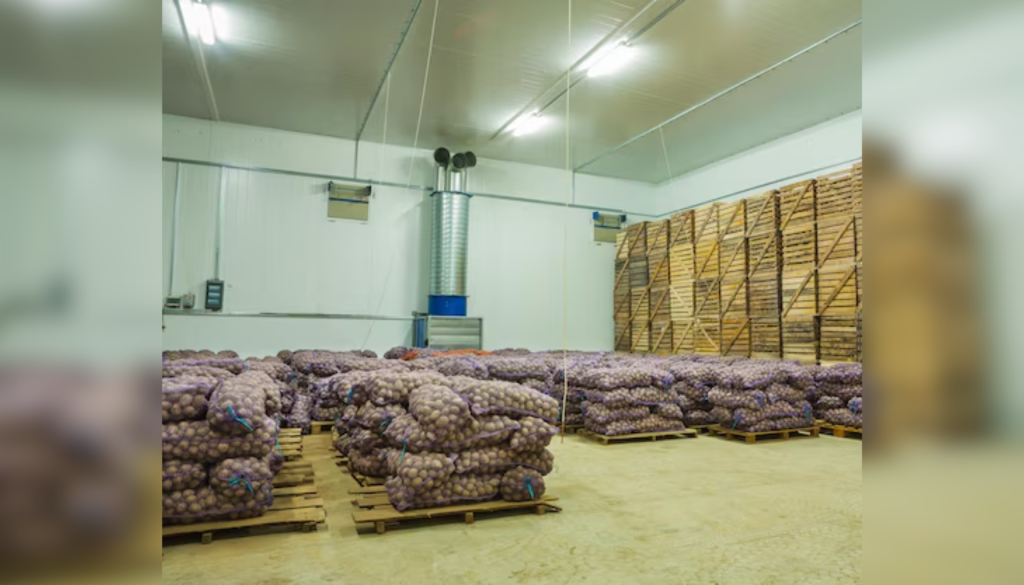
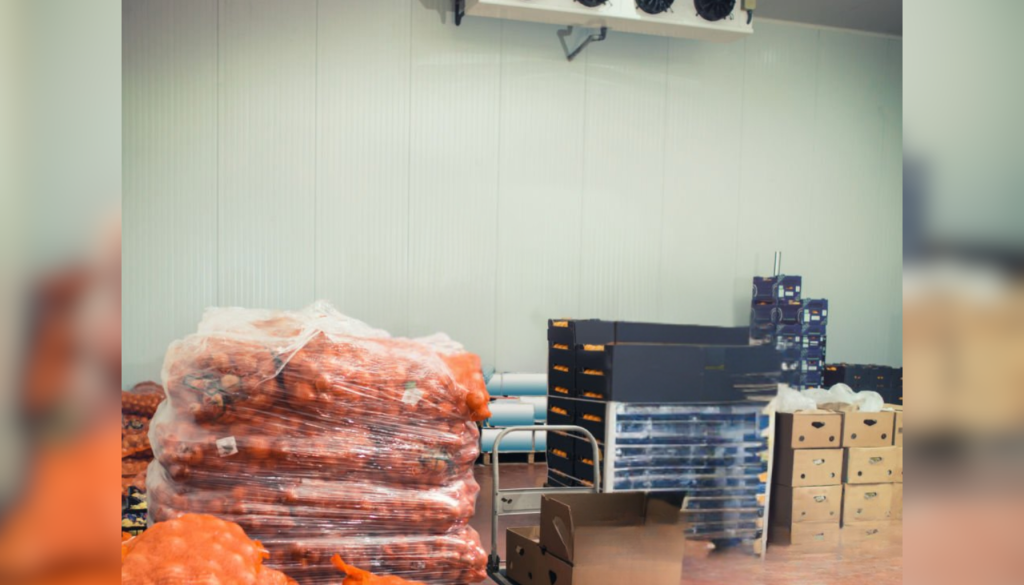
Construction of PUF Panel Onion Cold Storage
PUF Panel Onion Cold Storage Construction of PUF Panel Onion Cold Storage- Keep Onions Fresh Longer Onion storage presents a set of unique challenges that must be addressed to maintain the quality and extend the shelf life of this staple vegetable. The primary factors impacting onion storage include controlling humidity, maintaining an optimal temperature, and preventing spoilage due to microbial growth and physical decay. These factors necessitate specialized solutions to preserve onions effectively, especially in commercial contexts. In this regard, Polyurethane Foam (PUF) panels have emerged as a revolutionary technology in the world of onion cold storage solutions. PUF panels provide superior insulation properties, which are crucial in maintaining the precise temperature necessary to keep onions fresh for extended periods. The relevance of PUF panels extends beyond just insulation; they also offer a sustainable and cost-effective solution for constructing onion storage warehouses. The integration of PUF panels in onion cold storage facilities ensures that the storage temperature is kept at an optimal level, which is vital for keeping onions fresh. This temperature regulation helps in reducing the risk of spoilage and extends the onions’ marketability, which is a significant concern for commercial onion storage operations. By maintaining a stable environment, PUF panels help in mitigating the common issues associated with onion storage, such as moisture accumulation and uneven temperature distribution, which can lead to premature spoiling of the stock. In summary, PUF panels are not just an element of construction but a critical component in enhancing the efficacy and efficiency of onion cold storage systems. They stand at the forefront of modern storage technology, offering tangible benefits that address both the biological needs of onions and the economic demands of the storage industry. Understanding PUF Panels Polyurethane Foam (PUF) panels are a versatile and efficient insulation material widely utilized in modern construction, including onion cold storage facilities. PUF panels consist of a rigid core sandwiched between two structural facings. This core is typically made from polyurethane foam, known for its exceptional thermal resistance, structural integrity, and light weight. Benefits of Using PUF Panels for Onion Cold Storage Solutions Thermal Insulation: One of the primary benefits of using PUF panels in construction is their remarkable thermal insulation properties. This makes them particularly valuable in maintaining the necessary temperature, crucial for keeping onions fresh and extending their shelf life in commercial onion storage settings. By providing a high R-value (a measure of thermal resistance), PUF panels ensure minimal heat transfer, maintaining a steady internal environment irrespective of external temperature fluctuations. Cost-effectiveness: It is another significant advantage of PUF panels. Their lightweight nature and ease of installation reduce labor and transportation costs, which are beneficial for constructing onion storage warehouses on a budget. Additionally, the durability and longevity of PUF panels mean lower maintenance costs over time, contributing to their overall cost-efficiency in onion storage projects. Sustainability: It is an increasingly important consideration in construction materials. PUF panels contribute to energy conservation by reducing the need for excessive heating or cooling within the onion storage warehouse, thereby lowering the energy consumption and carbon footprint of onion cold storage facilities. Their ability to be recycled and reduced environmental impact during production further underscores their sustainability. Comparison with other Insulation materials used in Onion Cold Storage Construction When compared to other insulation materials commonly used in onion cold storage, such as fiberglass or polystyrene, PUF panels offer superior performance in several key areas. Unlike fiberglass, PUF panels do not settle over time, which can compromise thermal insulation. They also provide better moisture resistance than polystyrene, preventing the growth of mold and bacteria which is critical in an onion cold storage environment. In conclusion, PUF panels stand out as an exemplary choice for onion cold storage due to their insulation efficiency, cost-effectiveness, and sustainable features. These properties make PUF panels not only suitable but preferable for maintaining optimal temperature and ensuring the longevity and freshness of onions in commercial storage and warehouse settings. The Importance of Cold Storage for Onions The effectiveness of onion storage significantly influences the quality and shelf life of onions, making onion cold storage an essential aspect of agricultural produce management. Onions require specific environmental conditions, including controlled temperature, humidity levels, and proper ventilation, to prevent decay and ensure they reach the consumer in the best possible condition. The ideal onion cold storage temperature ranges between 0-4°C (32-39°F), which helps in slowing down enzymatic activity that can cause spoilage. Humidity control is equally crucial; onions best preserve their quality at 65-70% relative humidity. This level prevents them from drying out and becoming soft, while also discouraging the growth of pathogens. Ventilation is necessary to remove ethylene gas and other volatiles emitted by onions, which can accelerate sprouting and rotting if not adequately managed. Traditional onion storage methods often fall short in maintaining these parameters, leading to common issues such as moisture accumulation, uneven temperature distribution, and inadequate air circulation. Such environments foster the growth of mold and mildew, and encourage the development of diseases like neck rot and botrytis rot, which significantly impact onion storage warehouse operations. Improper storage in these conditions directly affects onion quality and reduces their market value and nutritional content. For instance, onions stored at higher than recommended temperatures can sprout prematurely or dehydrate, leading to a loss in weight and texture. On the other hand, excessive humidity can cause condensation and subsequent rotting, severely diminishing the onion’s shelf life and making them unsuitable for commercial onion storage. By incorporating modern onion cold storage solutions, such as those utilizing PUF panels for insulation, stakeholders can mitigate these issues. These advanced facilities provide a stable environment that maintains optimal temperature and humidity levels, significantly extending the longevity and freshness of onions in cold storage. The investment in such technology not only preserves the quality of the onions but also enhances their commercial viability by reducing waste and increasing the overall efficiency of onion storage warehouse operations. In conclusion, the adoption of modern storage technologies is not just a
Construction of PUF Panel Onion Cold Storage Read More »