
Clean Rooms for DS Group in Greater Noida
The rapid evolution of modern manufacturing has created an unprecedented demand for contamination-free industrial environments, where precision, hygiene, and consistency are critical to product quality. Across India, industries are increasingly investing in clean room construction to meet stringent quality standards, regulatory requirements, and consumer expectations. This shift is especially evident in the FMCG and industrial manufacturing sectors, where even microscopic contamination can impact safety, shelf life, and brand reputation.
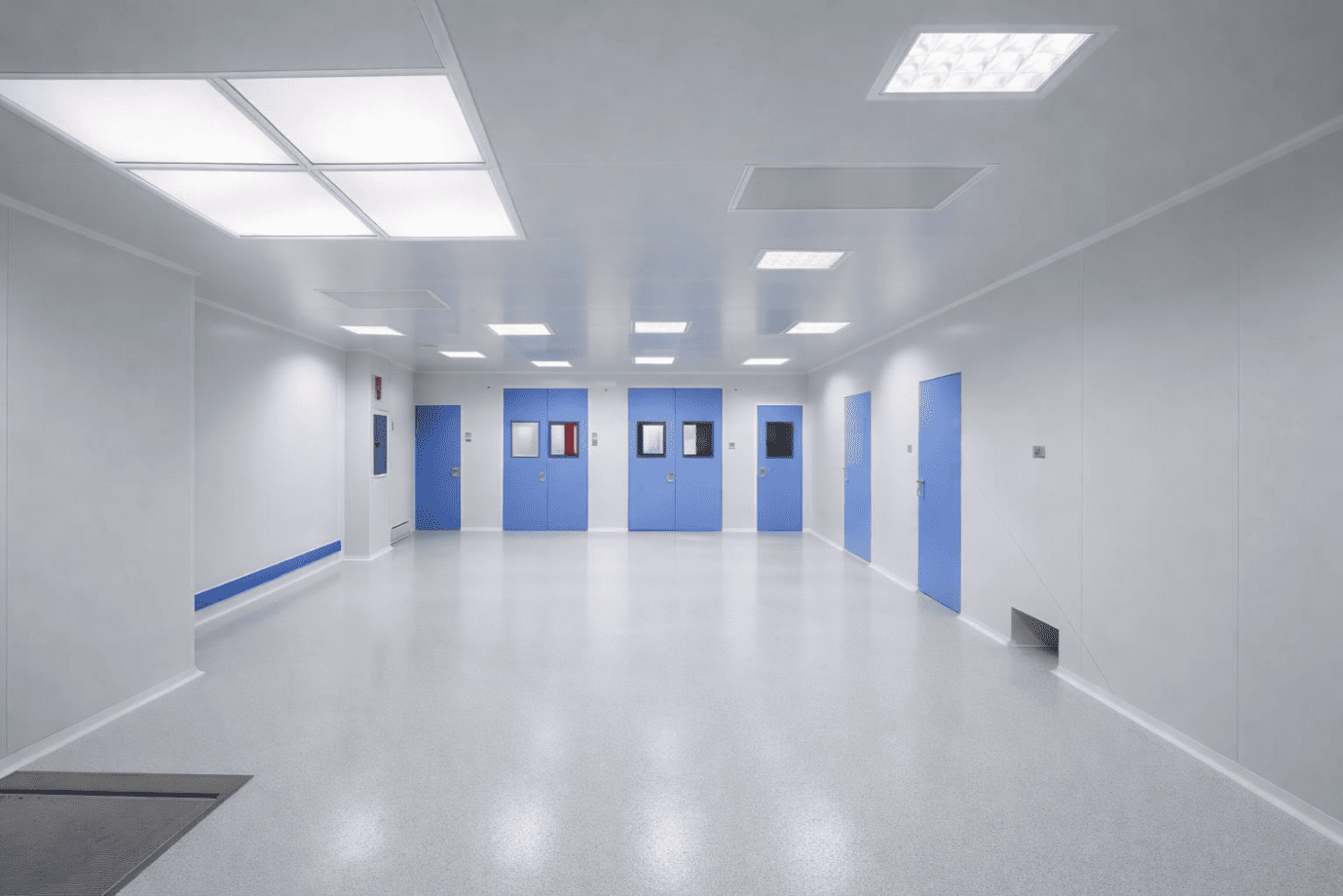
Industrial clean rooms play a vital role in maintaining controlled conditions such as temperature-controlled and humidity-controlled environments, ensuring stable production processes and minimizing operational risks. As manufacturing scales up, the need for modular clean room solutions that are efficient, durable, and scalable has become more critical than ever.
One such landmark initiative is the large-scale clean room project for DS Group in Greater Noida. Recognized as one of India’s most respected industrial conglomerates, DS Group operates facilities where hygiene, consistency, and process control are non-negotiable. To support these exacting requirements, the group partnered with MAKS Engineering Co., a trusted name in industrial clean room construction in India.
With deep expertise, MAKS Engineering undertook this project as a long-term, multi-year partnership, delivering thousands of square meters of clean room space. This collaboration reflects not only the scale of the project but also MAKS Engineering’s capability to provide reliable, high-performance clean room solutions that evolve with the client’s growing operational needs.
Understanding Clean Room Requirements in Modern Industry
As industries move toward higher efficiency, safety, and quality standards, the need for clean room construction has become a fundamental requirement rather than a specialized luxury. Modern manufacturing facilities must operate within controlled environments to ensure product consistency, regulatory compliance, and operational reliability. Understanding the core requirements of industrial clean rooms is essential to appreciating their role in today’s industrial ecosystem.
- Why Clean Rooms Are Critical for FMCG and Manufacturing: In the FMCG and industrial manufacturing sectors, even minimal contamination can compromise product safety and quality. Clean rooms ensure hygienic production conditions, protect sensitive materials, and help maintain consistent output. This makes industrial clean rooms essential for industries where quality control directly impacts consumer trust and regulatory approval.
- Risks of Contamination in Industrial Environments: Uncontrolled environments expose manufacturers to serious risks, including product spoilage, reduced shelf life, batch rejections, and financial losses. Without proper contamination control systems, facilities face increased downtime and potential compliance issues that can disrupt operations.
- Regulatory and Quality Expectations: Industries operating in regulated sectors must meet strict regulatory and quality standards related to cleanliness, hygiene, and environmental control. Clean room construction helps manufacturers align with these requirements while maintaining audit-ready facilities.
- Need for Temperature and Humidity Control: Precise temperature-controlled and humidity-controlled clean rooms are vital for ensuring product stability and process accuracy. Fluctuations in environmental conditions can directly affect material performance and manufacturing outcomes.
- Importance of Modular Clean Room Systems: Modern industries increasingly rely on modular clean room systems due to their speed of installation, flexibility, and scalability. Using these clean rooms, modular systems offer superior insulation, energy efficiency, and seamless finishes, making them ideal for long-term industrial applications.
Project Overview: Clean Rooms for DS Group in Greater Noida
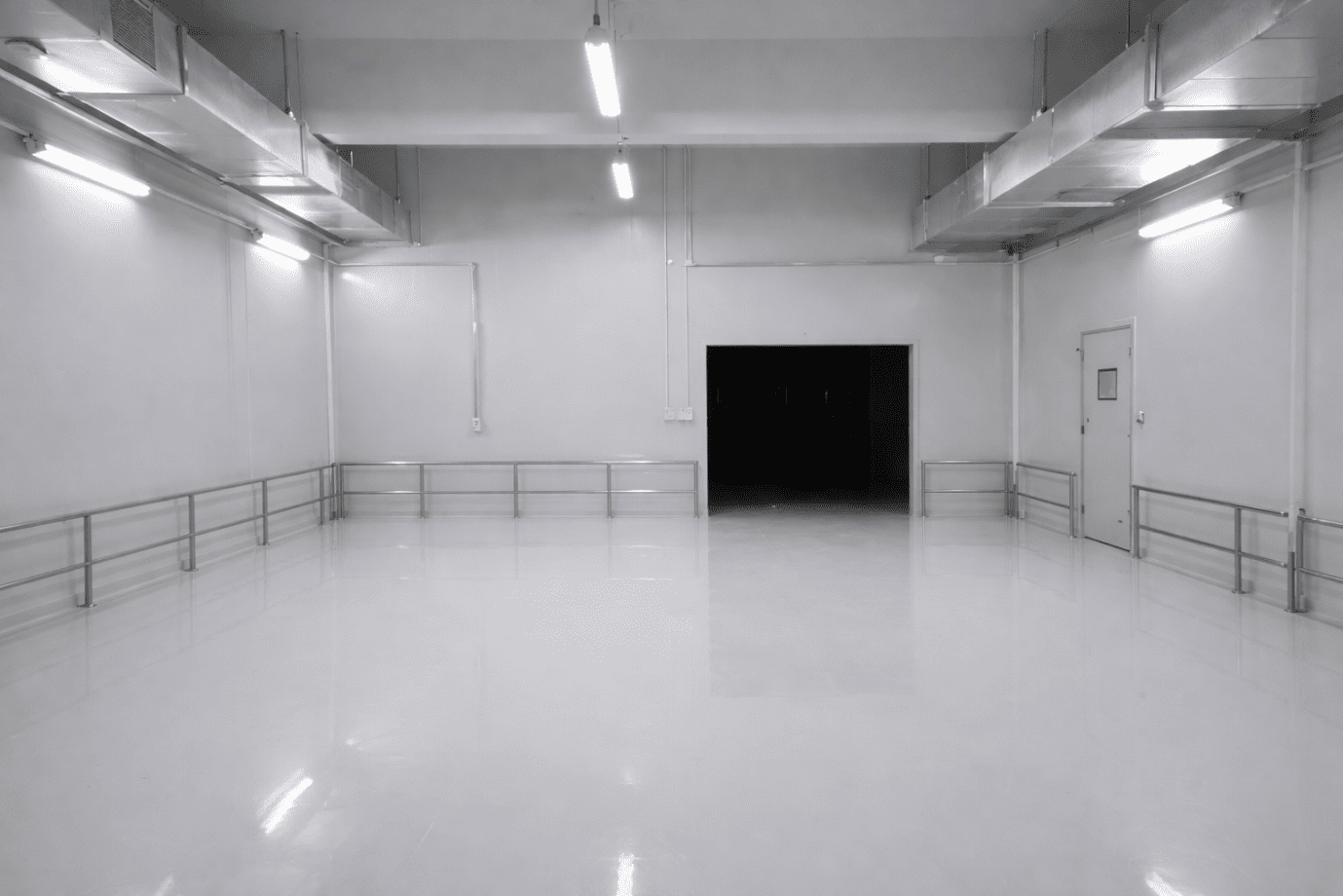
This project represents a large-scale industrial clean room construction initiative executed for a leading Indian conglomerate with stringent quality and hygiene requirements. The clean rooms for DS Group in Greater Noida were designed to support high-volume manufacturing operations while maintaining precise environmental control. The following sections outline the client background, project location, operational needs, and expectations that shaped the overall scope of this landmark project.
Client Background
The Dharampal Satyapal Group is a well-established name in India’s FMCG and industrial manufacturing sectors, operating large production facilities that demand consistent quality and process reliability. With operations running at significant scale, the group requires contamination-free manufacturing environments to safeguard product integrity, regulatory compliance, and brand reputation.
Location Advantage
The project is located in Greater Noida, a rapidly developing industrial hub known for its advanced infrastructure, connectivity, and access to skilled resources. While these advantages support large-scale manufacturing, they also necessitate the use of industrial clean rooms to protect sensitive production processes from external environmental variables.
Nature of Operations Requiring Clean Rooms
The client’s manufacturing operations involve processes where clean room construction is essential for controlling dust, airborne particles, temperature, and humidity. Maintaining temperature-controlled and humidity-controlled clean rooms is critical to ensuring consistent output, product safety, and operational efficiency.
Client Expectations and Quality Standards
From the beginning, the client emphasized the need for a high-performance clean room facility built to stringent internal and industry standards. The expectation was a modular clean room solution that could scale over time, minimize downtime, and deliver long-term reliability—making MAKS Engineering Co. the trusted partner for this critical infrastructure.
Project Challenges & Engineering Requirements
Executing a project of this magnitude required advanced clean room construction expertise, meticulous planning, and precision engineering. The facility of clean rooms for DS Group in Greater Noida was not a standard installation—it was a large-scale industrial clean room project designed to operate efficiently over the long term. Several complex challenges had to be addressed to meet the client’s operational and quality expectations.
Large-Scale Clean Room Area
One of the primary challenges was the execution of clean rooms spanning thousands of square meters. Managing such a vast area demanded precise layout planning, uniform environmental performance, and structural consistency. The engineering solution needed to ensure that industrial clean rooms delivered the same level of contamination control across the entire facility without variation.
Strict Contamination Control Requirements
Maintaining contamination-free manufacturing environments was critical due to the nature of the client’s operations. Even minimal exposure to dust or airborne particles could impact production quality. This required the implementation of robust contamination control systems, airtight panel joints, and sealed interfaces to prevent external ingress.
Long-Term Scalability and Expansion
The client required a scalable clean room solution that could expand in phases without compromising existing operations. This necessitated the use of modular clean room systems that allow future extensions while maintaining uniform performance, hygiene, and compliance standards.
Operational Continuity During Installation
Another significant challenge was ensuring operational continuity while clean room construction was underway. Installation activities had to be carefully coordinated to avoid disruption to ongoing manufacturing processes, requiring phased execution and precise scheduling.
Precision Temperature and Humidity Management
Consistent temperature-controlled and humidity-controlled clean rooms were essential for process stability. Advanced insulation and sealing were required to eliminate fluctuations and maintain uniform environmental conditions across all zones.
Seamless Surfaces and Hygienic Finishes
Finally, the clean rooms for DS Group in Greater Noida demanded seamless, hygienic interior finishes with smooth, non-porous surfaces. This was achieved through precision-installed clean rooms, ensuring easy maintenance, superior cleanliness, and long-term durability—demonstrating MAKS Engineering’s problem-solving capability in complex industrial environments.
Use of PUF Panels in Constructing Clean Rooms for DS Group in Greater Noida
The foundation of any high-performance clean room construction lies in the materials used to create a controlled environment. Among the most effective solutions for modern industrial clean rooms are those made of PUF Panels, which combine structural strength with exceptional insulation and hygiene properties. For large-scale manufacturing facilities, PUF panels have become the preferred choice due to their ability to deliver consistent environmental performance over long operational lifecycles.
PUF Panels
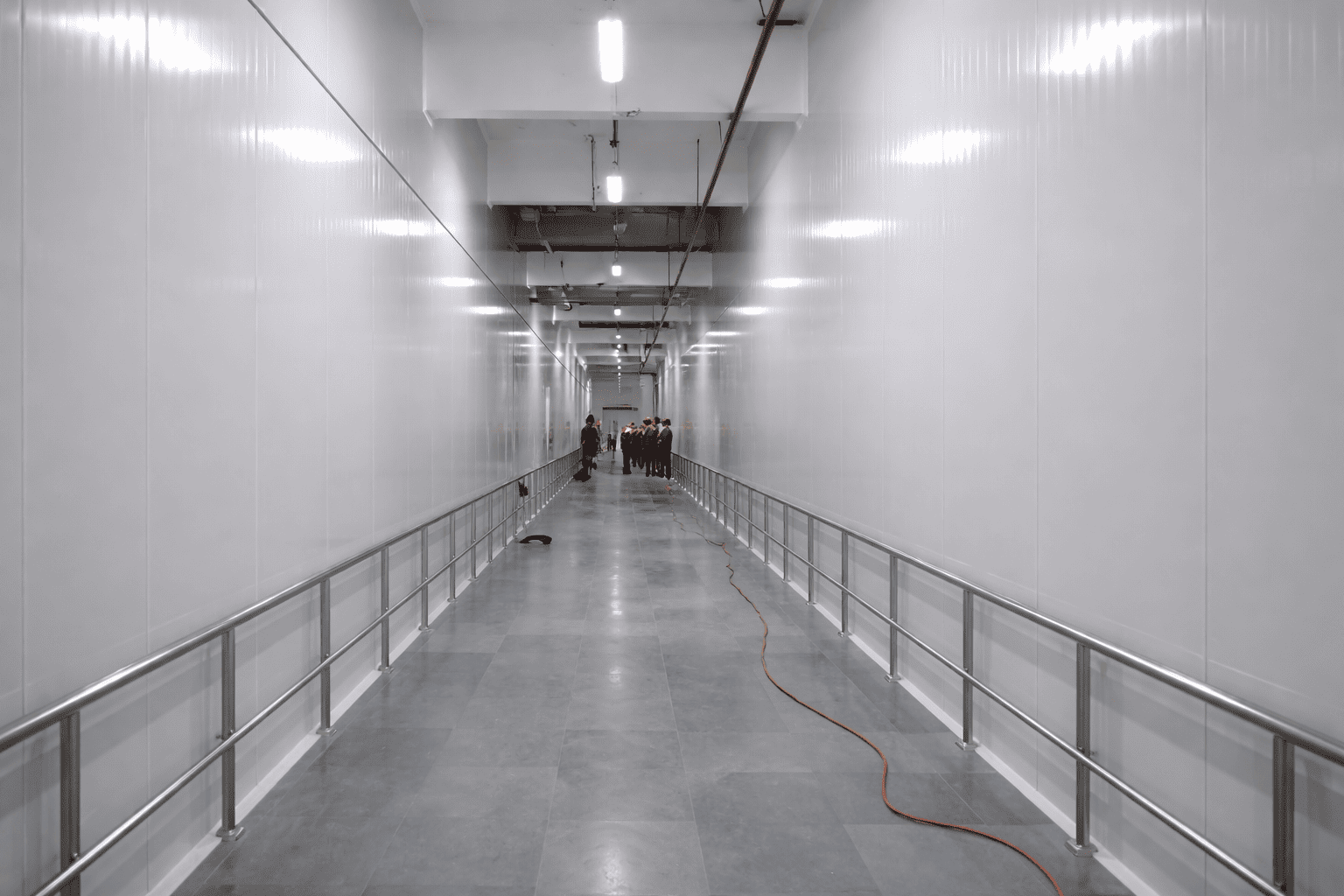
These are factory-engineered insulated panels consisting of a rigid polyurethane foam core sandwiched between high-quality metal sheets. These panels are specifically designed for modular clean room systems, offering uniform insulation, airtight sealing, and rapid installation compared to conventional construction methods.
Why PUF Panels Are Ideal for Clean Rooms
In clean room construction, maintaining controlled conditions is critical. These provide superior insulation and sealing, which directly support contamination-free manufacturing environments. Their modular nature allows precise engineering, ensuring minimal air leakage and consistent performance across large clean room areas.
- Thermal Insulation and Energy Efficiency: One of the key advantages of PUF panels is their excellent thermal insulation capability. By minimizing heat transfer, these panels help maintain temperature stability within the clean room, reducing the load on HVAC systems. This results in improved energy-efficient clean rooms, lower operational costs, and sustainable long-term performance.
- Moisture Resistance and Humidity Control: These offer high resistance to moisture absorption, making them ideal for environments that require strict humidity control. Stable humidity levels prevent condensation, microbial growth, and material degradation—critical factors in maintaining clean room integrity.
- Smooth, Hygienic Surfaces for Contamination Prevention: The smooth, non-porous surfaces of PUF panels are easy to clean and disinfect, supporting effective contamination prevention. Seamless joints reduce dust accumulation and eliminate areas where bacteria or particles could settle.
- Long-Term Durability and Reliability: Designed for industrial use, PUF panels deliver exceptional long-term durability, maintaining insulation performance, structural integrity, and hygiene standards over years of continuous operation. This makes them a cornerstone of reliable, scalable industrial clean room solutions.
Scale, Duration & Long-Term Partnership
The success of this project is defined not only by technical execution but also by its scale, duration, and continuity. Unlike one-time clean room construction projects, this engagement reflects a long-term strategic collaboration focused on growth, consistency, and performance. The following aspects highlight how this partnership has evolved into a benchmark for industrial clean room solutions.
- Five-Year Ongoing Partnership: This project represents a 5-year ongoing partnership between DS Group and MAKS Engineering Co., built on trust and proven delivery. The extended duration underscores MAKS Engineering’s ability to meet stringent quality, hygiene, and performance standards over time.
- Expansion Over Time: As operational requirements increased, the clean room infrastructure expanded across thousands of square meters. The use of modular clean room systems enabled phased development without disrupting existing operations, ensuring seamless integration of new clean room zones.
- Trust and Repeat Execution: The client’s continued reliance on MAKS Engineering for successive phases highlights strong trust and repeat execution. Each expansion followed consistent benchmarks for contamination control, temperature stability, and humidity-controlled clean rooms, reinforcing reliability across installations.
- Scalability Without Quality Compromise: A critical achievement of this project is the ability to scale industrial clean rooms without any compromise in performance or compliance. Uniform engineering practices, standardized materials, and strict quality checks ensured that every phase maintained the same high standards—strengthening MAKS Engineering’s reputation as a dependable industrial clean room contractor in India.
Technology, Innovation & Compliance Standards in Clean Rooms for DS Group in Greater Noida
Delivering high-performance industrial clean rooms requires a careful balance of advanced technology, innovative materials, and strict adherence to compliance benchmarks. For the project of PUF Panel Clean Rooms for DS Group in Greater Noida, MAKS Engineering Co. adopted a future-ready approach to clean room construction, ensuring that every element of the facility met both operational and regulatory expectations.
Use of Advanced Materials
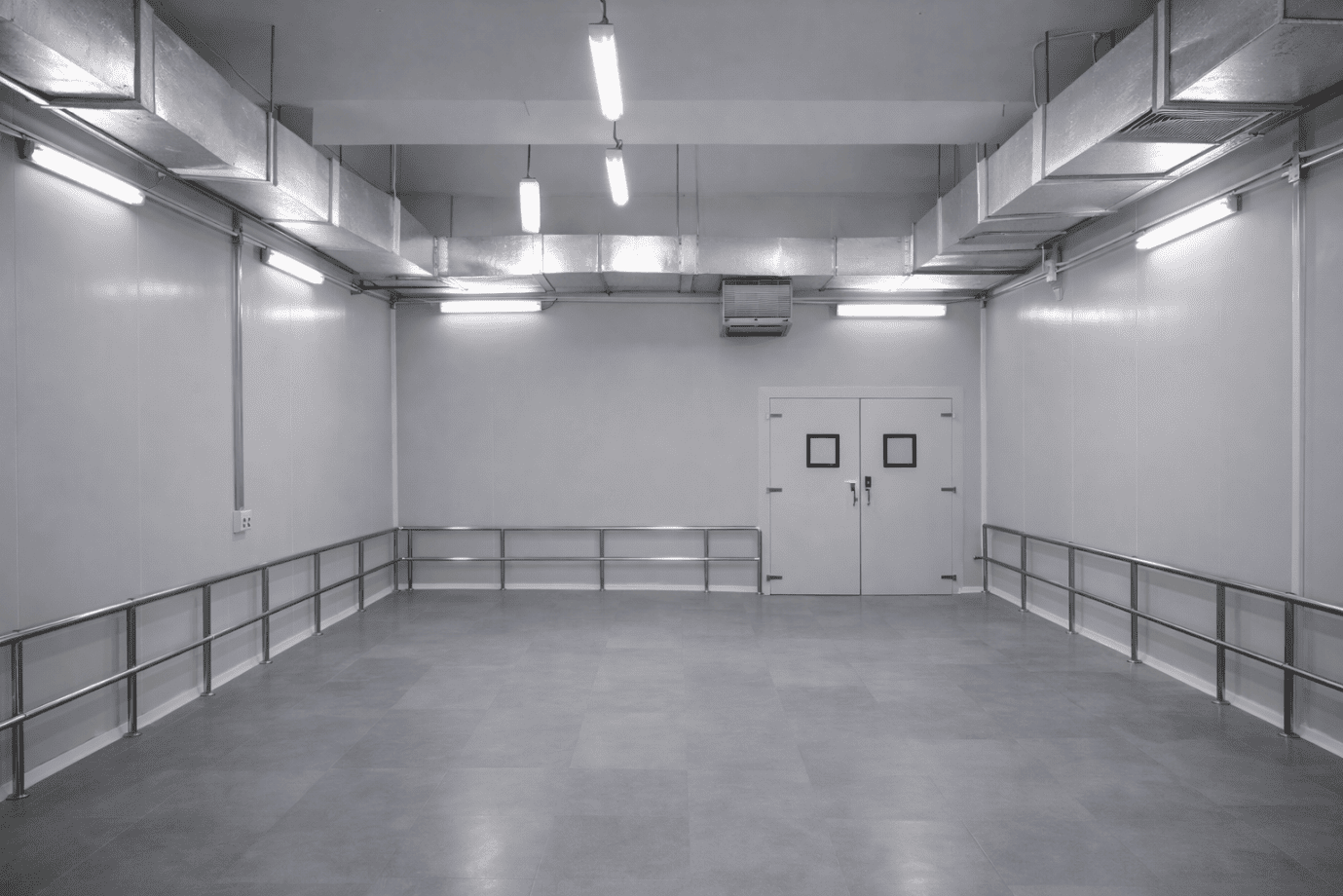
At the core of this project is the use of PUF panels, which provide superior insulation, airtight sealing, and hygienic surfaces. These materials are specifically engineered to support temperature-controlled and humidity-controlled environments, enabling consistent performance across large clean room areas.
Engineering Best Practices
MAKS Engineering applied proven clean room engineering best practices throughout the project lifecycle. This included precision layout planning, modular system integration, and disciplined execution methodologies that minimize errors and ensure long-term reliability. Such practices are critical for maintaining contamination-free manufacturing environments in high-output industrial settings.
Clean Room Performance & Compliance Standards
The PUF Panel clean rooms for DS Group in Greater Noida were designed to align with relevant performance standards and internal quality benchmarks set by the client. Strict control over airflow, surface finishes, and environmental parameters ensures that the facility remains compliant, audit-ready, and capable of supporting sensitive manufacturing processes.
Energy-Efficient Construction Approach
A key innovation in this project of PUF Panel Clean Rooms for DS Group in Greater Noida was the emphasis on energy-efficient clean room construction. High-performance insulation and airtight systems significantly reduce thermal losses, lowering HVAC energy consumption while maintaining temperature stability. This approach supports both operational efficiency and environmental responsibility.
Sustainability & Reduced Operational Costs
The integration of sustainable clean room solutions delivers long-term benefits, including reduced energy usage, lower maintenance requirements, and extended infrastructure life. These efficiencies directly translate into reduced operational costs for the client, reinforcing the value of MAKS Engineering’s technology-driven, compliance-focused clean room solutions. For more information, you can go to our comprehensive page on PUF Panel Clean Rooms.
Business Impact & Value Delivered to DS Group in Greater Noida
The implementation of high-performance industrial PUF clean rooms for DS Group in Greater Noida by MAKS Engineering Co. has delivered measurable and long-term business value. By investing in advanced clean room construction, the client has strengthened its manufacturing infrastructure while enhancing operational efficiency and product integrity.
- Improved Product Quality: The controlled environment created through these clean rooms ensures stable temperature-controlled and humidity-controlled conditions, which directly contribute to improved product quality. Consistency in environmental parameters minimizes variability in production, resulting in higher output reliability and reduced quality deviations.
- Reduced Contamination Risk: One of the most significant outcomes of this project is the substantial reduction in contamination risk. Seamless panels, airtight joints, and hygienic interior finishes support contamination-free manufacturing environments, protecting sensitive processes from dust, airborne particles, and microbial intrusion.
- Consistent Operational Environment: The clean rooms provide a consistent operational environment across large production areas, enabling smooth workflows and predictable performance. This stability allows manufacturing teams to operate efficiently without disruptions caused by environmental fluctuations.
- Energy Efficiency & Cost Optimization: The use of energy-efficient clean room construction techniques, including high-insulation materials, has significantly reduced energy consumption. Lower HVAC loads translate into ongoing operational cost savings, enhancing overall efficiency.
- Long-Term Infrastructure Reliability: Designed for durability and scalability, the clean room infrastructure delivers long-term reliability with minimal maintenance requirements. This future-ready approach ensures that the facility continues to support the client’s growth while reinforcing MAKS Engineering’s role as a trusted industrial clean room contractor in India.
Why MAKS Engineering Co. for PUF Panel Clean Room Projects
Choosing the right partner for PUF Panel clean room construction is critical to achieving long-term operational success, regulatory compliance, and consistent performance. MAKS Engineering Co. stands out as a trusted provider of industrial clean room solutions, delivering technically advanced, scalable, and reliable clean room infrastructure for diverse industries.
- Proven Experience in Industrial Clean Rooms: With extensive experience in industrial clean room construction in India, MAKS Engineering has developed deep domain expertise across manufacturing, FMCG, and industrial sectors. This experience enables the company to understand complex operational requirements and deliver clean rooms that meet exacting performance standards.
- Turnkey Clean Room Execution: MAKS Engineering offers complete turnkey clean room solutions, managing every stage of the project—from design and material selection to installation and final commissioning. This integrated approach ensures seamless execution, reduced coordination challenges, and consistent quality across all phases.
- Customized Clean Room Solutions: Every client has unique operational needs, and MAKS Engineering specializes in custom clean room solutions. Whether it is layout optimization, environmental control, or scalability planning, each clean room is engineered to align precisely with the client’s processes and future expansion plans.
- Proven Large-Scale Project Success: The successful execution of large-scale clean room projects spanning thousands of square meters demonstrates MAKS Engineering’s ability to deliver at scale without compromising on quality, hygiene, or compliance.
- Long-Term Client Relationships: Finally, MAKS Engineering’s focus on reliability and performance has resulted in strong long-term client relationships, including multi-year partnerships. This trust reflects the company’s commitment to delivering clean room infrastructure that continues to perform over extended operational lifecycles.
Applications of MAKS Engineering PUF Panel Clean Rooms Across Industries
The versatility of industrial PUF Panel clean rooms developed by MAKS Engineering Co. makes them suitable for a wide range of sectors where environmental control, hygiene, and precision are critical. By combining advanced clean room construction techniques with modular clean room systems, MAKS Engineering delivers adaptable solutions that meet industry-specific operational and regulatory demands.
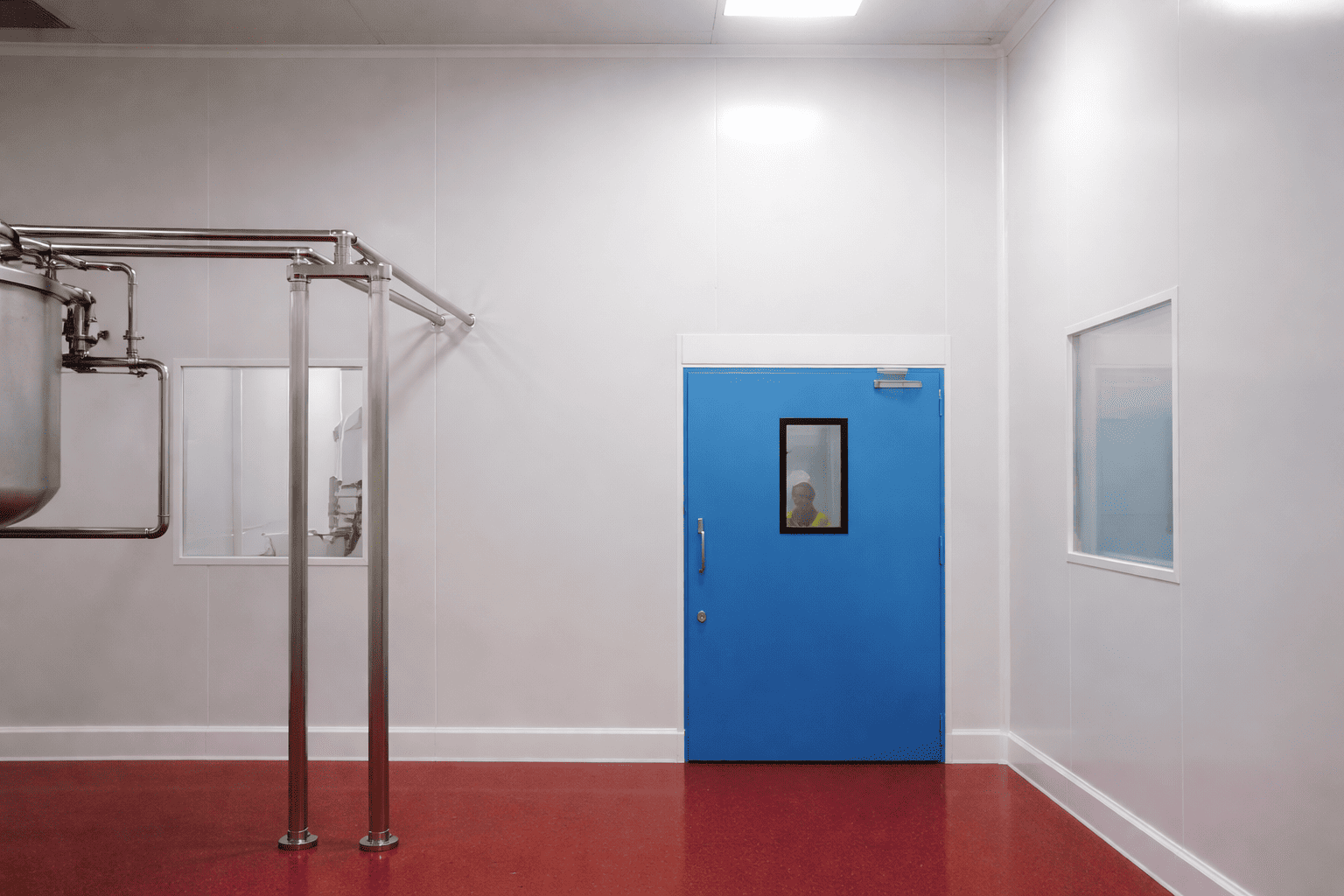
- FMCG Industry: In the FMCG sector, clean rooms play a crucial role in ensuring product safety, consistency, and shelf life. These clean rooms help maintain contamination-free manufacturing environments, supporting high-volume production while meeting strict hygiene standards.
- Food Processing: For food processing clean rooms, controlling airborne particles, moisture, and temperature is essential. MAKS Engineering’s temperature-controlled and humidity-controlled clean rooms help prevent microbial growth, protect product integrity, and comply with food safety regulations.
- Pharmaceuticals: The pharmaceutical industry demands stringent contamination control and regulatory compliance. Industrial clean room solutions from MAKS Engineering support sensitive processes by providing stable environmental conditions, seamless surfaces, and controlled airflow.
- Industrial Manufacturing: Across industrial manufacturing, clean rooms help improve process efficiency, reduce defects, and enhance product quality. Scalable modular clean room systems allow facilities to expand clean room infrastructure as production demands grow.
FAQs:
Q1. What is clean room construction and why is it important?
A. Clean room construction involves creating contamination-free environments with controlled temperature, humidity, and air quality, which are essential for industries like FMCG, pharmaceuticals, and industrial manufacturing.
Q2. Why are industrial clean rooms essential for FMCG manufacturing?
A. Industrial clean rooms ensure hygienic production conditions, reduce contamination risks, and maintain product quality, which are critical in the FMCG sector.
Q3. How do PUF panels help in temperature and humidity control?
A. PUF panels maintain temperature stability and humidity-controlled environments by minimizing heat transfer and preventing moisture ingress in clean room construction. For more details, you can read our dedicated page on PUF Panels.
Q4. Can clean rooms be expanded over time?
A. Yes, modular clean room systems allow scalable expansion of industrial clean rooms without disrupting existing operations or compromising hygiene standards.
Q5. Why choose MAKS Engineering for industrial clean room construction in India?
A.With proven expertise in industrial clean room construction in India, MAKS Engineering delivers scalable, compliant, and high-performance clean room solutions backed by long-term client trust.
Conclusion
The successful execution of the project of PUF Panel clean rooms for DS Group in Greater Noida stands as a testament to the technical capability, reliability, and commitment of MAKS Engineering Co.. This project demonstrates how well-engineered industrial clean rooms can support large-scale manufacturing operations while meeting the highest standards of hygiene, performance, and compliance.
From concept to execution, MAKS Engineering showcased engineering excellence through the use of PUF panels and precision-driven installation practices. Every phase of the project was delivered with a strong focus on contamination control, temperature stability, and long-term operational efficiency—ensuring a controlled environment that consistently meets the client’s demanding requirements.
Equally significant is the trust placed by the DS Group in Greater Noida, reflected in a long-term, multi-year partnership and repeated project execution. This sustained collaboration highlights MAKS Engineering’s ability to deliver scalable solutions without compromising quality, making them a dependable partner for complex industrial environments.
As industries continue to prioritize clean room construction in India for quality assurance and regulatory compliance, MAKS Engineering remains at the forefront as a leader in industrial PUF Panel clean room solutions. With proven large-scale success, client-centric execution, and future-ready engineering, MAKS Engineering continues to set new benchmarks in delivering reliable, efficient, and high-performance clean room infrastructure.
For more information, go to our HomePage.
