
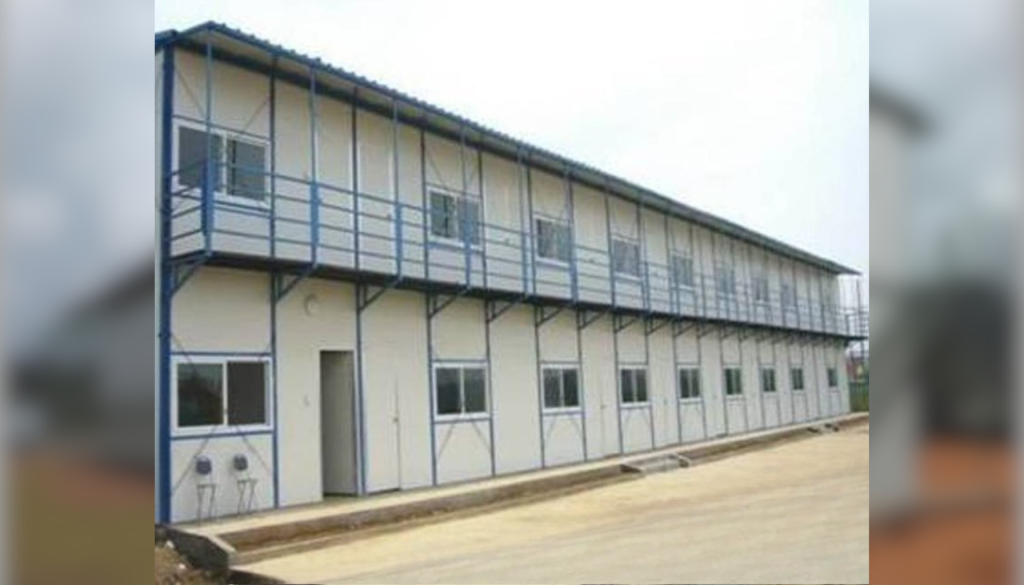
PUF Panel Prefabricated Labour Camps
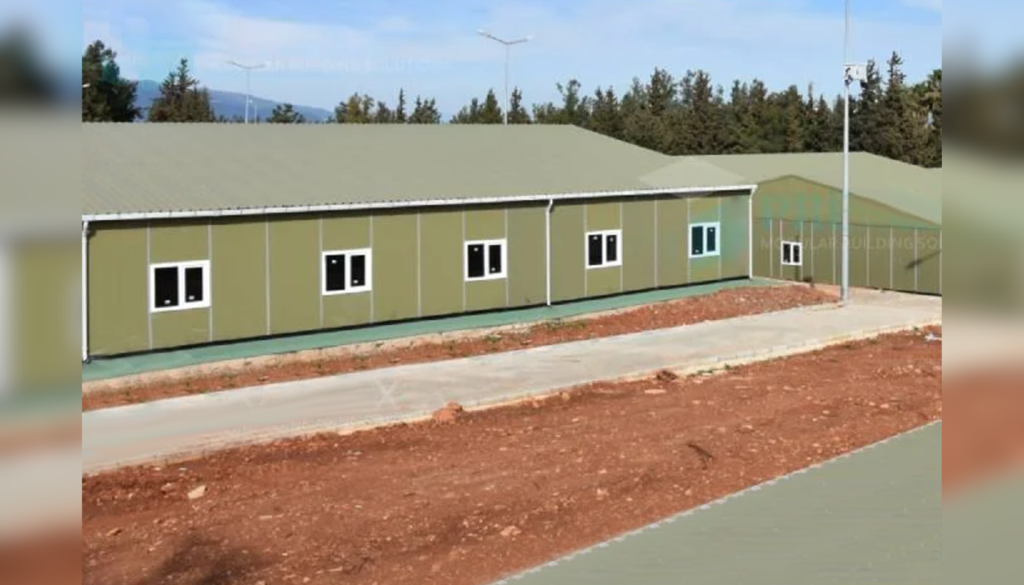
PUF Panel Prefabricated Labour Camps PUF Panel Prefabricated Labour Camps In recent years, the construction industry has witnessed a significant surge in the demand for prefabricated construction. This trend is not just a passing wave but a substantial shift towards more sustainable, efficient, and cost-effective building methods. Among the various applications of prefabrication, prefabricated labour camps have emerged as a cornerstone in modern construction projects, especially in regions experiencing rapid industrial growth and those with temporary housing needs for large workforces. Prefabricated labour camps are designed to offer quick, efficient, and flexible accommodation solutions. They are crucial in sectors such as mining, oil and gas, construction, and large-scale industrial activities, where there is a need to house workers comfortably and safely near their work sites. These prefabricated labour camps are not only a testament to the practicality and efficiency of using modular construction methods but also highlight the industry’s shift towards more humane and dignified living conditions for workers. At the heart of these innovative construction solutions are PUF (Polyurethane Foam) panels, which have revolutionized how these prefabricated labour camps are built. PUF panels are lauded for their excellent thermal insulation properties, which make them ideal for both hot and cold climates. Moreover, their lightweight nature simplifies and speeds up the construction process, allowing for labour camps to be assembled, disassembled, and relocated with minimal environmental and financial impact. The use of PUF panels in prefabricated labour camps not only enhances the energy efficiency of these structures but also contributes significantly to their sustainability and durability, aligning with global environmental goals and modern construction practices. The integration of PUF panels in prefabricated labour camps exemplifies how cutting-edge materials can meet critical needs while promoting environmental stewardship and efficiency. As the world leans more towards sustainable development, the role of prefabricated labour camps equipped with advanced materials like PUF panels becomes increasingly pivotal, marking a progressive step in the evolution of building practices that cater to both human and environmental well-being. What are Prefabricated Labour Camps? Prefabricated labour camps are specialized housing solutions designed to provide temporary to semi-permanent accommodations for workers, typically at or near construction and industrial sites. These structures are manufactured in a factory setting and then transported to the designated location where they are quickly assembled, providing a fast and efficient setup of essential facilities. This method significantly contrasts with traditional construction techniques, which often require more time and resources. The primary purpose of prefabricated labour camps is to offer a safe, comfortable, and efficient living environment for workers, who might otherwise have to travel long distances or live in substandard conditions. These prefabricated labour camps ensure that workers have access to all necessary amenities, including sleeping quarters, kitchens, bathrooms, and recreational areas, all within a close distance to their workplace. Types of Prefabricated Labour Camps Prefabricated labour camps come in various types, ranging from temporary structures, which are ideal for short-term projects, to semi-permanent installations, which can last for several years and are suited for longer construction projects or in areas where permanent buildings are not feasible. Temporary camps are often used in disaster relief operations or seasonal work environments, whereas semi-permanent camps might be found in mining or oil extraction industries where operations last longer but do not justify permanent infrastructure. Choosing prefabricated solutions for labour accommodations offers numerous benefits: Speed of Construction: These prefabricated labour camps can be deployed rapidly, which is crucial for projects with tight deadlines or in emergency situations. Cost-Effectiveness: Prefabrication reduces the overall cost of construction and site management due to economies of scale in the factory and reduced on-site labor and waste. Flexibility: Modules can be added, removed, or reconfigured as project needs change, providing adaptability to varying workforce sizes. Quality Control: Components of the camps are built in controlled factory environments, which improves the quality and consistency of the structures. Sustainability: These camps are often designed with sustainability in mind, featuring materials and systems that minimize energy consumption and reduce waste. Overall, prefabricated labour camps represent a smart choice for businesses looking to manage the logistical challenges of housing employees in remote or temporary work sites effectively. They not only provide essential needs in a functional manner but also enhance the well-being and productivity of workers by offering a stable and comfortable living environment. Understanding PUF Panels In the world of prefabricated labour camps, PUF (Polyurethane Foam) panels stand out as a revolutionary building material that brings unparalleled benefits to modern construction methods. These panels are essential components in creating efficient, safe, and comfortable housing solutions for workers in various industries. PUF panels consist of polyurethane foam sandwiched between two structural facings, typically made of steel or aluminium. This foam is a product of a chemical reaction that occurs when a polyol and an isocyanate, two key polyurethane components, are mixed. The mixture expands to form a rigid foam that is both lightweight and extremely insulating. The manufacturing process involves injecting the foam between the panels in a controlled factory environment, ensuring consistent quality and performance. The properties of PUF panels make them particularly suited for prefabricated labour camps due to the following advantages: Superior Insulation: PUF panels provide excellent thermal insulation, a critical factor in maintaining comfortable living conditions in varying climates. This insulation capability ensures that energy costs are kept low, as less heating and cooling are required to maintain a stable internal temperature. Lightweight Yet Strong: Despite their lightweight nature, PUF panels are incredibly durable and can support significant structural loads, making them easy to transport and assemble while still ensuring robust construction. Durability and Longevity: PUF panels are designed to withstand harsh environmental conditions, including extreme temperatures and heavy impacts. Their longevity is enhanced by their resistance to decay and pests, ensuring that they remain in good condition for years without requiring extensive maintenance. Fire and Moisture Resistance: Safety in prefabricated labour camps is paramount, and PUF panels contribute positively in this area. They are manufactured to be fire resistant, which helps in
PUF Panel Prefabricated Labour Camps Read More »