priya

PUR Panel (1)

Normal PUF Panels vs Fire Retardant PUF Panels: Choosing the Right Panels

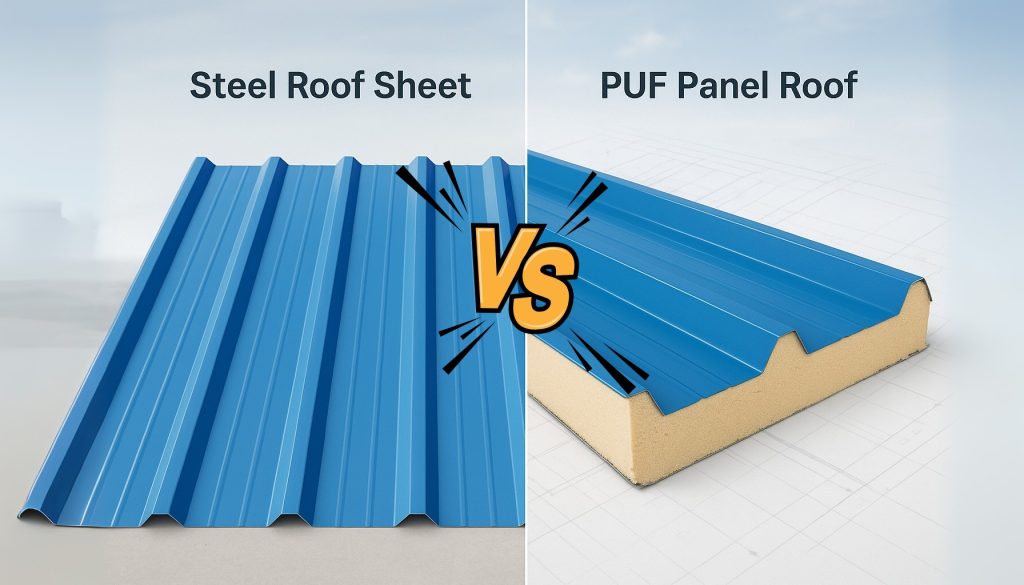
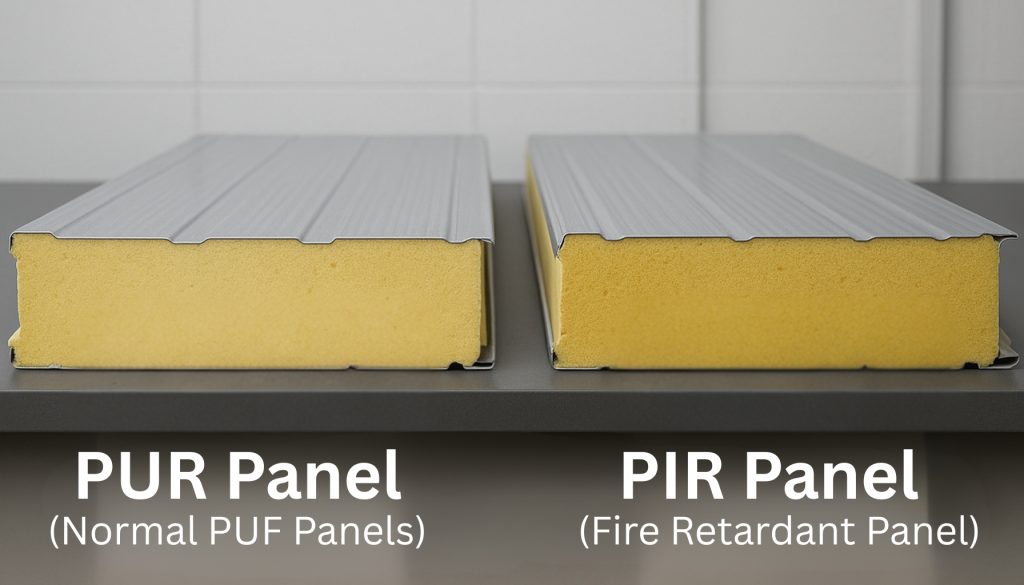
Normal PUF Panels vs Fire Retardant PUF Panels Normal PUF Panels vs Fire Retardant PUF Panels: Choosing the Right Panels In the world of modern construction, PUF panels have completely transformed how buildings are designed, insulated, and maintained. Whether it’s a commercial warehouse, a cold storage facility, a data center, or a residential project, these panels offer unmatched advantages in terms of energy efficiency, durability, and easy installation. One of the most significant reasons for their growing demand is their fire resistance PUF Panel, which makes them not only an insulation solution but also an important safety component. PUF panels are available in different types, but the two most widely used are PUR PUF panels (Polyurethane Foam based) and PIR panels (Polyisocyanurate Foam based). Both are technically advanced and serve specific needs. PUR panels are generally referred to as “Normal PUF Panels” and are well‑known for their excellent thermal insulation and cost‑effectiveness. On the other hand, PIR PUF panels, also called Fire Retardant Panels, are specifically engineered to perform better in case of fire by reducing flame spread and providing additional protection. This makes them a reliable choice where higher safety standards are required. The difference between a normal PUF panel and a fire retardant panel lies in how they are designed to handle fire. A normal PUF panel focuses on slowing down the passage of flames and heat, giving valuable time for occupants to respond. Meanwhile, a fire retardant panel, especially those made with PIR PUF panels, is chemically modified to resist ignition, produce less smoke, and form a protective char layer that further delays fire penetration. For builders, architects, and facility managers, the key lies in choosing the right type of PUF panel based on project requirements. If the focus is on affordability and thermal insulation in environments with minimal fire risk, PUR panels are an excellent solution. However, for industries like pharmaceuticals, food processing, IT facilities, or cleanrooms where fire safety is critical, PIR panels with superior fire‑retardant properties are the preferred choice. At MAKS Engineering, we specialize in providing expert installation services for both types of panels. Our goal is to help clients select the most suitable option — whether it’s the efficiency of PUR panels or the advanced protection of PIR PUF panels — ensuring that every project benefits from the perfect balance of safety, durability, and performance. What are Normal PUF Panels? Normal PUF Panels are widely recognized as one of the most versatile building solutions in modern construction. These panels are designed with a polyurethane foam panel as the core material, which is sandwiched between two protective metal sheets. The result is a strong, lightweight, and durable building element that offers excellent insulation and structural benefits. Structure of Normal PUF Panels The construction of a PUR PUF panel is quite simple yet highly effective: Metal Skin Options: The outer layers are generally made of high quality steel sheets, available in two finishes: PPGI (Pre‑Painted Galvanized Iron) – durable and cost‑effective. PPGL (Pre‑Painted Galvalume) – offers superior corrosion resistance and long service life. Want to understand the difference between PPGI and PPGL in more detail? Check out our in-depth blog on PPGI vs PPGL sheets to make an informed choice for your project. Foam Core: At the center lies the rigid polyurethane core, which provides insulation and strength. This is why pur sandwich panel construction is considered ideal for energy efficient and lightweight building solutions. Key Features of Normal PUF Panels Choosing PUR PUF panels for your project comes with several advantages: Excellent Thermal Insulation – The polyurethane foam panel core minimizes heat transfer, ensuring interiors stay cooler in summer and warmer in winter. Cost Effective and Lightweight – A PUR PUF panel delivers great performance at an affordable price, while being easy to transport and handle. Quick Installation – Pre fabricated design ensures fast installation, saving both time and labor costs. Dependable Safety – Although designed mainly for insulation, fire resistance ensures that it can still provide basic protection in low fire risk environments. Typical Applications of Normal PUF Panels Because of their practicality and affordability, PUR PUF panels are widely used in: Residential Buildings – for roofing, wall cladding, and partitioning. You can go through our dedicated blog on PUF Panel 1BHK House. Warehouses – where cost effective insulation is required. Cold Storage Units – to maintain stable temperatures with minimal energy usage. For detailed information, go to our dedicated page on Cold Storage Solutions. General Industrial Sheds – where insulation and quick setup are more important than high fire ratings. More information can be seen in our dedicated blog on PUF Panel Industrial Sheds. In short, PUR PUF panels are the perfect solution when you need efficient insulation, durability, and cost savings for projects in environments with minimal fire risks. Their simple yet effective pur sandwich panel structure makes them a go‑to choice for many industries and applications. For more details, you can read our dedicated page on PUF Panels. What are Fire Retardant PUF Panels? When projects demand higher levels of safety and compliance, Fire Retardant PUF Panels are the preferred solution. Unlike normal PUF panels that use PUR foam, these panels are designed with a PIR core (Polyisocyanurate). This makes a PIR panel more advanced in terms of fire safety, thermal performance, and long‑term durability. For industries where fire hazards are a major concern, fire retardant panels provide an added layer of protection without compromising on insulation. Structure of Fire Retardant PUF Panels Just like normal PUF panels, a PIR sandwich panel is built with two strong outer metal layers and an insulated foam core in the middle: Metal Skin Options: PPGI (Pre‑Painted Galvanized Iron): a popular option for cost efficiency. PPGL (Pre‑Painted Galvalume): provides superior corrosion resistance and longer lifespan. Foam Core: At the center is the PIR core, a chemically modified form of polyurethane known as a polyisocyanurate panel. This material is engineered to resist ignition, release less smoke, and create a char layer that slows down

Normal PUF Panels vs Fire Retardant PUF Panels: Choosing the Right Panels Read More »
Pre-Painted Galvanized Iron

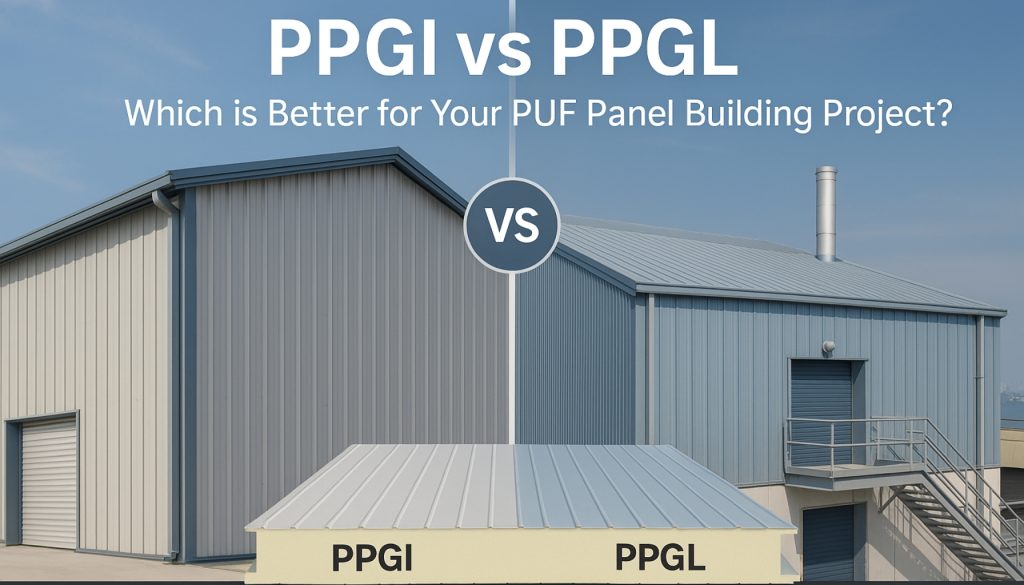
PPGI vs PPGL Sheets: Which is better for Your PUF Panel Building Project?

PPGI vs PPGL Sheets PPGI vs PPGL Sheets: Which is better for Your PUF Panel Building Project? In today’s fast-evolving construction landscape, PUF panels (Polyurethane Foam Panels) have become an essential choice for building modern, energy-efficient structures. Whether it’s a cold room, site office, cleanroom, warehouse, or prefabricated home, PUF panels offer an ideal balance of insulation, structural integrity, and quick installation. However, the real performance and lifespan of a PUF panel greatly depend on its outer cladding material. The outer skin of a PUF panel is typically made from either a PPGI sheet or a PPGL sheet. These are pre-coated steel sheets that not only protect the insulation core but also enhance the durability, aesthetics, and thermal performance of the entire structure. Choosing between PPGI and PPGL is critical for long-term success in PUF panel applications. While both materials are widely used, they differ significantly in terms of corrosion resistance, heat durability, and cost-effectiveness. For example, a PPGI PUF panel may be suitable for indoor or mild climate applications, while a PPGL sheet may be better suited for coastal or high-humidity regions. The debate between PPGL vs PPGI is one that every architect, builder, or facility manager must carefully evaluate when planning a project. With the right choice, you ensure better structural performance, longer lifespan, and lower maintenance costs. At Maks Engineering, we specialize in installing high-performance PUF panels backed by expert guidance on whether to use PPGI or PPGL for your specific application. In this blog, we’ll break down the difference between a PPGI sheet and a PPGL sheet, so you can make an informed decision that adds value to your building project. What Are PPGI and PPGL Sheets? When it comes to building reliable, long-lasting PUF panels, the choice of cladding material plays a critical role. Two of the most widely used outer skins in PUF panel manufacturing are PPGI and PPGL sheets. These coated steel products not only provide structural strength but also protect the insulation core from environmental exposure. Let’s take a closer look at what they are and how they differ. What is PPGI? PPGI, short for Pre-Painted Galvanized Iron, refers to a category of coated steel products made from cold-rolled steel, which is then hot-dip galvanized with a layer of zinc (Zn) and finished with a paint coating. These pre painted galvanized iron sheets are popular for their corrosion resistance, cost-effectiveness, and aesthetic flexibility. Structurally, a PPGI steel sheet is composed of: A base layer of cold rolled steel A zinc metallic coating for corrosion protection A topcoat of polyester, SMP, or PVDF paint for color, gloss, and UV resistance Pre painted gi sheet is another common term used for PPGI in the construction and roofing industry. These sheets are used extensively in roofing, wall cladding, cleanroom panels, and PUF panel exteriors, especially in non-coastal or dry environments where moderate corrosion resistance is sufficient. What is PPGL? On the other hand, PPGL stands for Pre-Painted Galvalume, a coated steel product that offers superior corrosion resistance compared to PPGI. A pre painted galvalume sheet features a metallic coating made from a zinc-aluminum alloy (usually 55% aluminum, 43.5% zinc, and 1.5% silicon). This alloy offers the combined benefits of zinc’s sacrificial protection and aluminum’s barrier protection, making PPGL steel ideal for coastal, industrial, or high-humidity regions. Like PPGI, PPGL is manufactured using: A cold-rolled steel base A 55% Al-Zn-Si metallic coating A pre-painted layer for durability and appearance The result is a highly durable, reflective, and longer-lasting product that’s gaining popularity in modern architectural and industrial applications. In summary, pre painted galvanized iron sheets (PPGI) and pre painted galvalume sheet (PPGL) are engineered for different performance levels and environmental conditions. Choosing between ppgi steel and ppgl steel depends on your building’s location, lifespan expectations, and budget. Deep-Dive Comparison: PPGI vs PPGL When selecting the best outer cladding for PUF panels, understanding the differences between a PPGI sheet and a PPGL sheet is essential. While both materials are widely used in modern construction, their performance varies depending on the coating composition, environmental exposure, and application. Below is a side-by-side comparison to help you make an informed decision. Feature PPGI (Pre-Painted Galvanized Iron) PPGL (Pre-Painted Galvalume) Metallic Coating Composition Zinc (Zn) coated steel 55% Aluminum + 43.5% Zinc + 1.5% Silicon (Galvalume) Corrosion Resistance Moderate – ppgi sheet relies on sacrificial protection from zinc Excellent – ppgl sheet offers both barrier and sacrificial protection Heat Resistance Stable up to ~200°C Superior – withstands up to ~315°C with minimal degradation Formability Highly flexible and easy to bend and roll Good, but slightly stiffer due to aluminum content Lifespan in PUF Panels ~10–15 years in moderate climates ~20–25 years in harsh or coastal conditions Cost More economical – ideal for budget-sensitive projects Higher upfront cost, but better ROI over the long term Recommended Environments Ideal for dry, inland areas, temporary buildings, interior use Best suited for coastal, humid, industrial, or outdoor structures Choosing between a ppgi sheet and a ppgl sheet boils down to application environment, budget, and performance expectations. While PPGI is excellent for general-purpose construction and interior applications, PPGL is the go-to for demanding, weather-exposed, and high-humidity projects. By partnering with Maks Engineering, you get expert guidance on whether a ppgi puf panel or ppgl  puf panel is ideal for your unique needs. Technical Insight: How Do They Perform in Real Conditions? Understanding how PPGI and PPGL materials perform in real-world environments is essential when designing durable and energy-efficient PUF panel structures. Beyond just composition, it’s their technical performance under stress, heat, and environmental exposure that determines longevity and reliability. Here’s a deep technical look at how a PPGI panel and a PPGL colour coated sheet behave during real-time installation and usage. Corrosion Behavior: Sacrificial vs. Barrier Protection The primary distinction lies in how these materials fight corrosion. A PPGI colour coated sheet is made from pre painted galvanized iron, where the zinc coating offers sacrificial protection. This means the zinc corrodes before the base steel

PPGI vs PPGL Sheets: Which is better for Your PUF Panel Building Project? Read More »

Guest House

PUF Panel Guest House: The Smart Solution for Quick & Comfortable Accommodation

PUF Panel Guest House PUF Panel Guest House: The Smart Solution for Quick & Comfortable Accommodation In today’s fast-paced world, the way we build and stay has transformed — and the humble guest house is no exception. More people than ever are seeking eco-friendly, energy-efficient guest house solutions that not only provide comfort but also reduce operational costs for years to come. Whether it’s a guest house for a serene holiday getaway, a convenient on-site accommodation for your workforce, or an additional guest house unit on your farmhouse, the trend is clear: smart spaces built faster, better, and greener. At Maks Engineering Co., we bring your vision of the perfect guest house to life with our state-of-the-art PUF Panel Guest House installations. We understand that every guest house should be more than just walls and a roof — it should be an inviting space that combines style, strength, and sustainability. Our expertise ensures that when you dream of a guest house, you get a modern, thermally insulated structure that stays comfortable through every season. The best part? Building a new guest house with Maks Engineering Co. means you won’t have to deal with endless construction hassles. Our prefabricated PUF Panels make the entire process remarkably quick and clean, so your new guest house can be ready to welcome guests in a fraction of the time it would take with traditional building methods. Plus, our high-quality materials mean your guest house will stand strong for many years, with minimal maintenance. With a growing focus on sustainability, more property owners are choosing to invest in PUF Panel Guest Houses that blend the perfect balance of durability, energy savings, and modern design. Whether you’re expanding your resort, adding a guest house to your vacation property, or creating a flexible new guest house at a remote site, Maks Engineering Co. is your trusted partner every step of the way. What is a PUF Panel Guest House? A PUF Panel Guest House is an innovative solution for those who want a smart, sustainable, and cost-effective alternative to conventional buildings. At its core, it’s a prefab guest house built using advanced PUF Panels, which stand for Polyurethane Foam Panels. These panels work as a high-performance sandwich structure, delivering excellent thermal insulation and structural strength. What Exactly Are PUF Panels? PUF Panels are made by injecting rigid polyurethane foam between two durable outer layers — usually metal sheets like GI, PPGI, or aluminium. This forms a strong yet lightweight panel that is highly resistant to heat, cold, and moisture. There are different types of PUF Panels used in a modular guest house, mainly: Roof PUF Panels: These are designed to withstand weather conditions while providing top-notch insulation for the roof structure of your prefabricated guest house. Wall PUF Panels: These panels form the insulated walls of your prefab guest house, ensuring the interior stays comfortable throughout the year. In some cases, panels for ceiling are also used. For detailed information, you can read our dedicated blog on PUF Ceiling Panels. How PUF Panels Build a Modular Guest House The beauty of a prefab guest house lies in its modular approach. Each PUF Panel is prefabricated to size, which means they are manufactured off-site & then assembled on-site like building blocks. This method drastically cuts down construction time compared to traditional brick-and-mortar buildings. Here’s how PUF Panels transforms into your perfect modular guest house: Precision Manufacturing: Each panel is crafted with tight quality control for perfect fit and finish. Quick Assembly: Panels for walls and roofs interlock seamlessly, creating a sturdy structure in record time. Lightweight & Strong: Easy to transport yet tough enough to withstand harsh weather. How It Differs from Traditional Construction Unlike conventional buildings that require bricks, cement, and long construction schedules, a prefabricated guest house made with PUF Panels is: Faster to build: your modular guest house can be ready in weeks, not months. Thermally superior: the insulation keeps your guest house cool in summer and warm in winter. Flexible and expandable : you can add extra rooms or relocate your prefab guest house if needed. With a PUF Panel Guest House, you enjoy the perfect blend of modern design, structural durability, and energy savings — making it ideal choice for resorts, farmhouses, worksites, and remote stays. To explore more about our high-quality PUF Panels and expert installation services, visit our dedicated PUF Panel page for complete details. Why Choose a PUF Panel Guest House? When you imagine your perfect dream guest house, you want it to be inviting, comfortable, and practical — but you also want it built with smart, sustainable solutions that make sense for the long run. That’s exactly why a PUF Panel Guest House stands out as a modern alternative to traditional construction. Whether you’re planning a cozy mini guest house for your backyard, an elegant guest home by the hills, or a full-fledged holiday stay for your resort, a PUF Panel structure checks every box for speed, comfort, and cost-effectiveness. Here’s why choosing a PUF Panel guest house is the best decision you can make: Faster Construction With a PUF Panel system, your dream guest house is ready in a fraction of the time it takes to build a brick-and-mortar structure. Most PUF Panel guest houses can be fabricated off-site and assembled on your property within weeks — so your guests can check in sooner, and you start enjoying returns on your investment faster. You can get the detailed difference in our comprehensive blog on Brick and Mortar vs PUF Panels. Superior Insulation One of the biggest advantages of a PUF Panel mini guest house is its excellent thermal insulation. The advanced foam core helps keep interiors cool in the summer & warm in the winter — ensuring your guest home stays comfortable no matter the weather outside. This means happier guests and lower energy bills for you! Cost-Effective Solution Your dream guest house shouldn’t drain your budget. With lower material waste, quicker construction, and minimal on-site labor,

PUF Panel Guest House: The Smart Solution for Quick & Comfortable Accommodation Read More »

PUF Panel Poultry Farms-Maks

Construction of PUF Panel Poultry Farms

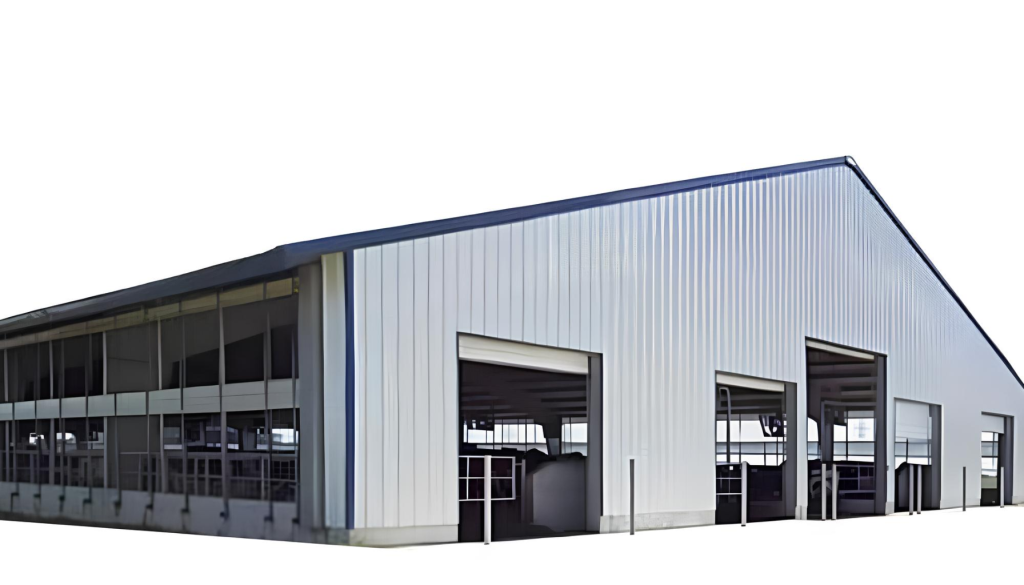
Construction of PUF Panel Poultry Farms PUF Panel Poultry Farms In today’s rapidly evolving agricultural sector, poultry farming has become a cornerstone of food production, particularly in developing economies. However, modern chicken farms face several pressing challenges—ranging from temperature control, disease management, to cost-efficiency in operations. Whether it’s a large-scale broiler poultry farm, a layer farm, or a small egg farm, maintaining the right environmental conditions is critical to maximizing productivity and ensuring the health of the birds. Traditional open sheds or tin-roofed buildings often fail to provide consistent insulation, leading to stress in birds, poor feed conversion, and higher mortality rates. With consumer demand and production costs both on the rise, farmers are increasingly seeking more sustainable, hygienic, and climate-controlled solutions to meet the demands of an ideal poultry farm setup. This is where PUF Panel Poultry Farms offer a game-changing solution. Constructed using polyurethane foam sandwich panels, these structures are engineered to maintain optimal internal temperatures, resist moisture, and provide a hygienic, low-maintenance environment for birds. Whether you’re managing a chicken farm for meat production or a hen poultry farm for eggs, PUF Panel Poultry Farms deliver unmatched advantages in performance, longevity, and efficiency. At the forefront of this innovation is Maks Engineering Co., a trusted name in modern poultry infrastructure. With extensive experience in designing and installing PUF Panel Poultry Farms, Maks Engineering brings tailored, high-quality solutions for every type of poultry operation—from layer farming units to commercial broiler poultry farm projects. Key Advantages of PUF Panel Poultry Farms The transition to a PUF Panel Poultry Farm is transforming how poultry businesses approach farming infrastructure. From large-scale broiler poultry farms to compact mini poultry farm setups, these advanced structures deliver practical, cost-effective, and hygienic solutions that meet the growing demands of a modern poultry industry. Here’s a breakdown of why these structures are increasingly becoming the preferred choice for every kind of poultry farm—be it a chicken farm or egg farm. Superior Thermal Insulation Maintaining a stable internal climate is critical for any poultry farm, especially in regions with extreme weather conditions. PUF Panel Poultry Farms provide excellent thermal insulation, ensuring that temperatures remain within an optimal range for bird comfort and growth. In both broiler poultry farms and egg farm environments, this insulation minimizes bird stress, improves feed conversion, and significantly reduces mortality. Whether you’re running a hen farm or a chicken farm, thermal stability means healthier birds and better profits. Energy Efficiency One of the standout benefits of a PUF Panel Poultry Farm is the substantial reduction in energy costs. By minimizing heat exchange, these panels lower the dependency on HVAC systems for heating or cooling. This is especially important for larger poultry houses or any new poultry farm looking to scale operations without inflating energy bills. Over time, the energy savings contribute to the long-term sustainability of the poultry shed, making it both eco-friendly and economically viable. Moisture and Bacteria Resistance Humidity and poor ventilation can quickly lead to the growth of mold, mildew, & harmful bacteria in traditional poultry sheds. In contrast, the non-porous surface of PUF Panel Poultry Farms repels moisture and prevents microbial growth. This is a game-changer for any ideal poultry farm focused on bird health and biosecurity. Whether you operate a small poultry farm or a commercial chicken poultry farm, the resistance to moisture means fewer disease outbreaks and reduced veterinary costs. Structural Durability Designed to withstand severe weather conditions—be it scorching heat, heavy rainfall, or freezing winters—PUF Panel Poultry Farms are incredibly robust. These structures offer long-term durability that far surpasses traditional poultry houses, making them an ideal choice for permanent installations. This is particularly valuable for remote egg farm projects or agricultural zones that face harsh climates year-round. Hygiene and Ease of Cleaning Cleanliness is non-negotiable in any poultry farm, especially in high-density layer poultry farm settings. The smooth surface of PUF panels makes daily cleaning and disinfection straightforward and effective. Unlike brick or wooden structures, which can harbor bacteria in cracks and joints, a PUF Panel Poultry Farm offers a seamless, sanitary environment that’s easier to manage—critical for maintaining biosecurity on a modern poultry farm. Fast Construction & Installation Time is money in farming operations. PUF Panel Poultry Farms are prefabricated, allowing for rapid on-site assembly with minimal labor. This speed is essential for anyone setting up a new poultry farm or expanding an existing small poultry farm. With reduced construction timelines, farmers can start production faster, reduce overhead costs, and scale operations efficiently. From improving bird health to reducing operating costs, PUF Panel Poultry Farms are redefining standards in modern poultry infrastructure. Whether you’re establishing a mini poultry farm or upgrading an old poultry farm shed, these cutting-edge solutions offer unmatched benefits for long-term growth and success. Why Choose PUF Panels for Poultry Farming Today? The poultry industry is evolving rapidly, and staying competitive means adopting solutions that are efficient, sustainable, and tailored to the unique demands of livestock production. Whether you’re managing a full-scale poultry farm or setting up a compact hen poultry farm, the infrastructure you choose directly affects your profitability, productivity, and biosecurity.This is why more and more farmers are turning to PUF Panel Poultry Farms—a modern solution built to meet the challenges of today’s farming environment. Here’s why PUF panels are revolutionizing the way a poultry farm is built and run. Superior Thermal Insulation Birds are highly sensitive to temperature changes. PUF Panel Poultry Farms provide excellent thermal insulation, creating a consistently controlled internal climate. This is crucial for both layer farming and broiler poultry farm operations, where even slight temperature variations can impact egg production or bird growth. With PUF panels, your egg farm or chicken farm maintains optimal comfort levels year-round. Energy Efficiency Energy costs are a major concern in running any poultry farm. The insulation in PUF Panel Poultry Farms significantly reduces the need for continuous heating or cooling systems. Whether you’re managing a layer poultry farm in hot climates or a chicken poultry farm in colder

Construction of PUF Panel Poultry Farms Read More »

PUF Panel Banana Ripening Chambers_Maks

PUF Panel Banana Ripening Chambers

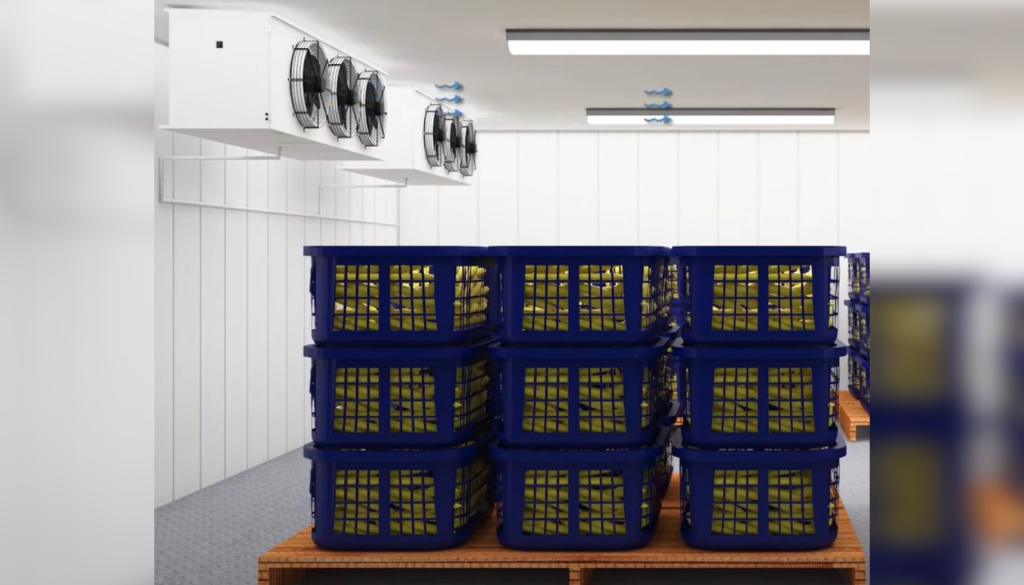
PUF Panel Banana Ripening Chambers PUF Panel Banana Ripening Chambers Bananas are among the world’s most beloved fruits, consumed globally not just for their flavour but also for their nutritional benefits. However, achieving that perfect state of ripeness is crucial for the best taste and texture. Banana ripening is a delicate process that transforms the fruit from hard and green to soft and yellow, enhancing its sweetness and aroma. This transformation is often accelerated and optimized in controlled environments known as banana ripening chambers. The use of banana ripening chambers has revolutionized how retailers, wholesalers, and even large-scale farmers manage the post-harvest life of bananas. These specialized chambers allow for precise control over the internal conditions, such as temperature, humidity, and ethylene concentration, facilitating a uniform and predictable ripening process. This controlled environment not only ensures high-quality bananas that meet consumer expectations but also significantly reduces spoilage. A key component in the construction and efficiency of these chambers is the use of PUF (Polyurethane Foam) panels. In the banana ripening chamber design, PUF panels play a critical role by providing excellent insulation. This helps in maintaining the specific temperatures and humidity levels essential for optimal ripening. The integration of PUF panels in banana ripening chambers ensure that the ripening process is energy-efficient, cost-effective, and environmentally friendly. What Are Banana Ripening Chambers? Banana ripening chambers are specialized facilities designed to control the environmental conditions that influence the ripening of bananas. These chambers are an essential part of post-harvest management in the banana industry. By using banana ripening chambers, distributors and producers can manage the ripening process to ensure that bananas reach consumers in optimal condition, balancing ripeness with shelf life to reduce waste and increase consumer satisfaction. The core functionality of banana ripening chambers involves the controlled application of ethylene, a naturally occurring plant hormone that accelerates the ripening process. In a typical banana ripening chamber, bananas are exposed to a precise concentration of ethylene gas in a controlled environment. This exposure triggers the natural ripening mechanisms within the fruit, converting starches into sugars, softening the flesh, and changing the peel from green to yellow. The banana ripening chamber design includes features that maintain specific levels of temperature and humidity, which are critical for effective ethylene-induced ripening. Properly designed banana ripening rooms ensure that the ethylene is evenly distributed and that each banana receives uniform exposure, resulting in consistent ripeness across batches. There are numerous benefits to using these controlled environments for ripening bananas: Consistency and Quality Control Banana ripening chambers provide a consistent environment that can be finely tuned to ensure that all bananas ripen uniformly, thereby enhancing the quality and appeal of the fruit. Reduced Spoilage By controlling the ripening process, banana chambers help reduce the incidence of over-ripening and spoilage, significantly cutting down waste and financial losses. Year-Round Supply Banana ripening plants allow for the storage of unripe bananas and controlled ripening based on market demand, enabling a stable supply throughout the year, regardless of the season. Efficiency and Scalability With a controlled banana ripening process, producers can handle larger volumes of fruit in a more efficient manner, optimizing both space and energy use compared to natural ripening. Banana ripening chambers are vital in the modern agricultural landscape. They provide the infrastructure needed for efficient, economical, and environmentally friendly ripening of bananas, ensuring that this popular fruit continues to meet market demands with minimal loss and maximum quality. Understanding PUF Panels In the context of banana ripening chambers, the use of PUF (Polyurethane Foam) panels is a key element that enhances the efficiency and effectiveness of these specialized facilities. PUF panels are advanced insulation materials that play a pivotal role in the construction and operation of banana ripening chambers. PUF panels are made from polyurethane foam, an excellent insulator that is sandwiched between layers of structural materials such as steel or aluminium. This construction gives PUF panels their remarkable properties of high thermal resistance and robustness, which are crucial for maintaining the precise environmental controls required in banana ripening chambers. The properties of PUF panels that make them particularly suitable for banana ripening chambers include: Superior Insulation: PUF panels provide outstanding thermal insulation, which is essential in banana ripening processes where maintaining specific temperature ranges is crucial. This insulation helps in minimizing energy consumption by keeping external heat out and maintaining the internal environment with less cooling effort. Durability: The structural strength of PUF panels ensures long-term durability, making them a cost-effective solution for building banana ripening plants. They are resistant to moisture, pests, and most chemicals, reducing maintenance costs and extending the lifespan of the ripening chambers. Air Tightness: PUF panels offer excellent air tightness, which prevents the leakage of ethylene gas used in the ripening process. This containment enhances the effectiveness of ethylene application, ensuring that the banana ripening process is both uniform and efficient. Lightweight and Easy to Install: Inspite of their strength and insulative properties, PUF panels are relatively lightweight and easy to install, which simplifies the construction of banana ripening chambers. Their modular design allows for quick assembly and disassembly, facilitating easier modifications and expansions of existing facilities. Cost Efficiency: By improving energy efficiency and reducing the need for frequent repairs or replacements, PUF panels lower the overall operational costs of maintaining banana ripening chambers. This makes them a more economically viable option compared to other insulating materials. Environmental Impact: PUF panels contribute to sustainability efforts as they help in reducing the energy consumption of banana ripening plants. Their insulating properties mean less energy is needed to maintain optimal conditions, thus reducing the carbon footprint associated with the ripening process. In comparison to other materials like fiberglass or rock wool, PUF panels offer superior insulation, enhanced durability, and greater cost-efficiency, making them the preferred choice in modern banana ripening chamber design. Their usage not only optimizes the ripening process but also contributes to the overall sustainability and profitability of banana distribution operations. The Role of PUF Panels in Banana Ripening Chambers PUF

PUF Panel Banana Ripening Chambers Read More »

Call Now Button