
PUF Roof Panel vs Profile Sheet

Imagine planning a new factory, warehouse or industrial shed with two roofing quotations in front of you. One recommends a conventional profile sheet at a lower initial cost, while the other proposes insulated PUF roof panels at a higher upfront investment. The obvious question is: Why pay more for PUF panels?
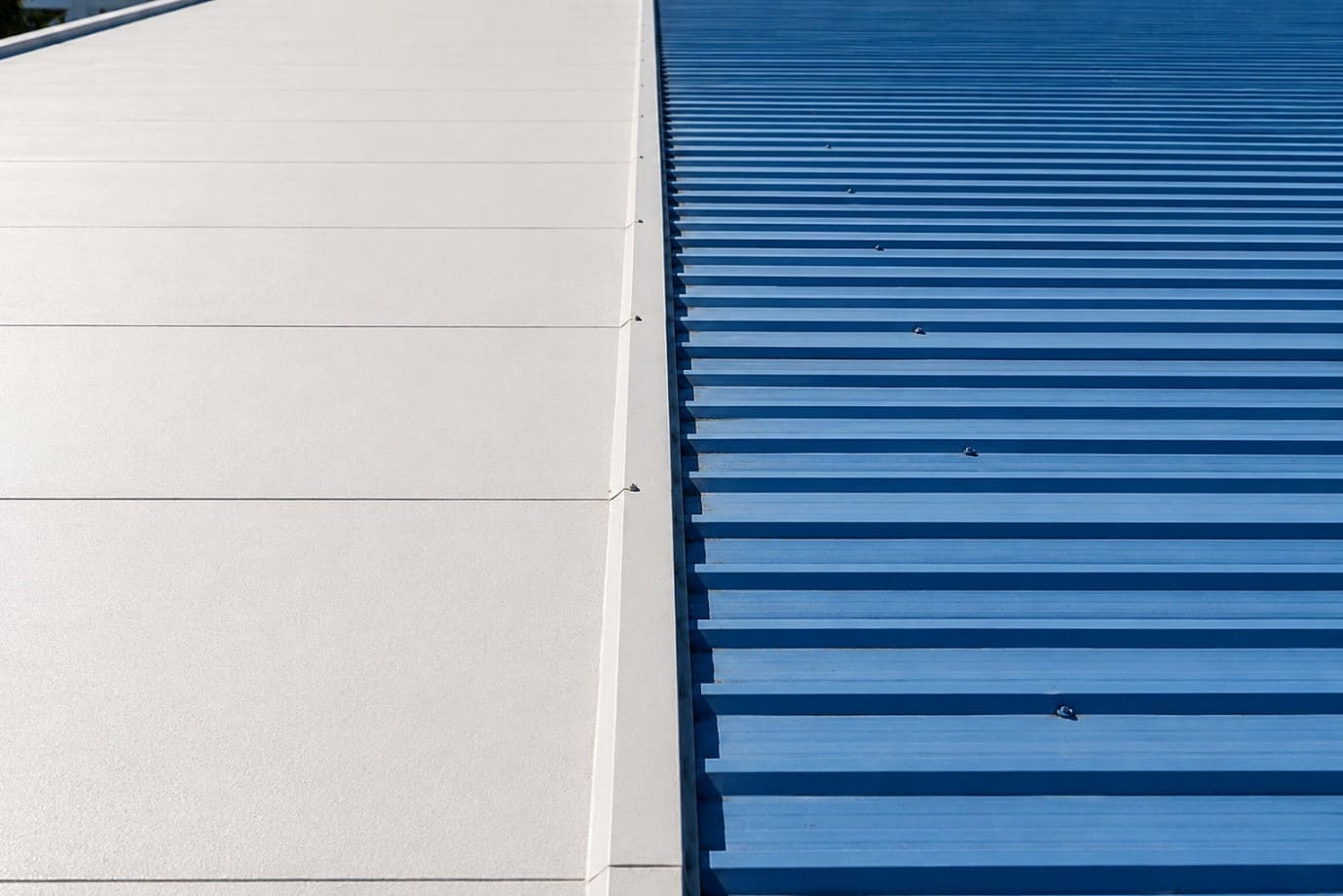
PUF Roof Panel vs Profile Sheet

The answer goes beyond the initial price. Your roofing system can influence heat transfer, indoor comfort, cooling requirements, maintenance and the building’s long-term operating costs.

A profile sheet is a formed metal sheet primarily used to provide weather protection and create a durable roof or wall covering. Depending on the application, options include GI profile sheet, PPGI profile sheet, PPGL profile sheet and colour coated profile sheets. Different designs, such as a corrugated profile sheet or trapezoidal profile sheet, can be selected based on project requirements, structural design and appearance.

PUF roof panels, in comparison, combine an outer metal layer, a polyurethane foam insulation core and an inner metal layer. This construction provides both roofing and thermal insulation as part of one integrated system.

This difference is important when comparing profile roof sheets with PUF panels. A roofing profile sheet can be a practical and economical choice for buildings where basic weather protection is the primary requirement. PUF panels may be more suitable where thermal insulation and indoor temperature control are important.

Therefore, the right choice should not be based solely on the initial quotation. The building’s application, climate, energy requirements, maintenance needs and overall project budget should all be considered before selecting the roofing system. In this blog, we compare PUF roof panels and profile sheets to help you make a more informed roofing decision.

What Is a Roof PUF Panel?

A roof PUF panel is an insulated roofing solution that provides both weather protection and thermal insulation. PUF stands for Polyurethane Foam, a lightweight material with strong insulating properties. Unlike a conventional profile sheet, which mainly provides a protective roofing layer, a PUF panel combines the roof covering and insulation into one factory-made system. This makes it suitable for factories, warehouses, cold storage facilities and other buildings where temperature control matters.

A typical PUF roof panel has a three-layer sandwich structure: outer metal sheet → PUF insulation core → inner metal sheet. The outer metal layer protects the building from rain, sunlight and wind, while the PUF core acts as the main insulation layer. It reduces heat transfer between the exterior and interior, helping maintain a more comfortable and stable indoor environment. The inner metal layer provides a clean and durable finish.

Traditional roofing options include a GI profile sheet, PPGI profile sheet and PPGL profile sheet, along with colour coated profile sheets in different finishes and designs. A corrugated profile sheet or trapezoidal profile sheet can also be selected according to structural and project requirements. However, unlike these profile roof sheets, PUF panels have insulation built directly into their construction.

The PUF core works as a thermal barrier, limiting the amount of external heat entering the building during hot weather. This can help improve indoor comfort and reduce dependence on cooling systems where applicable. A roofing profile sheet can also be used with separate insulation, but this adds another component to the roofing system.

Therefore, the choice between PUF panels and a profile sheet design should depend on the building’s application, climate, insulation requirements and desired performance.

What Is a Profile Sheet?

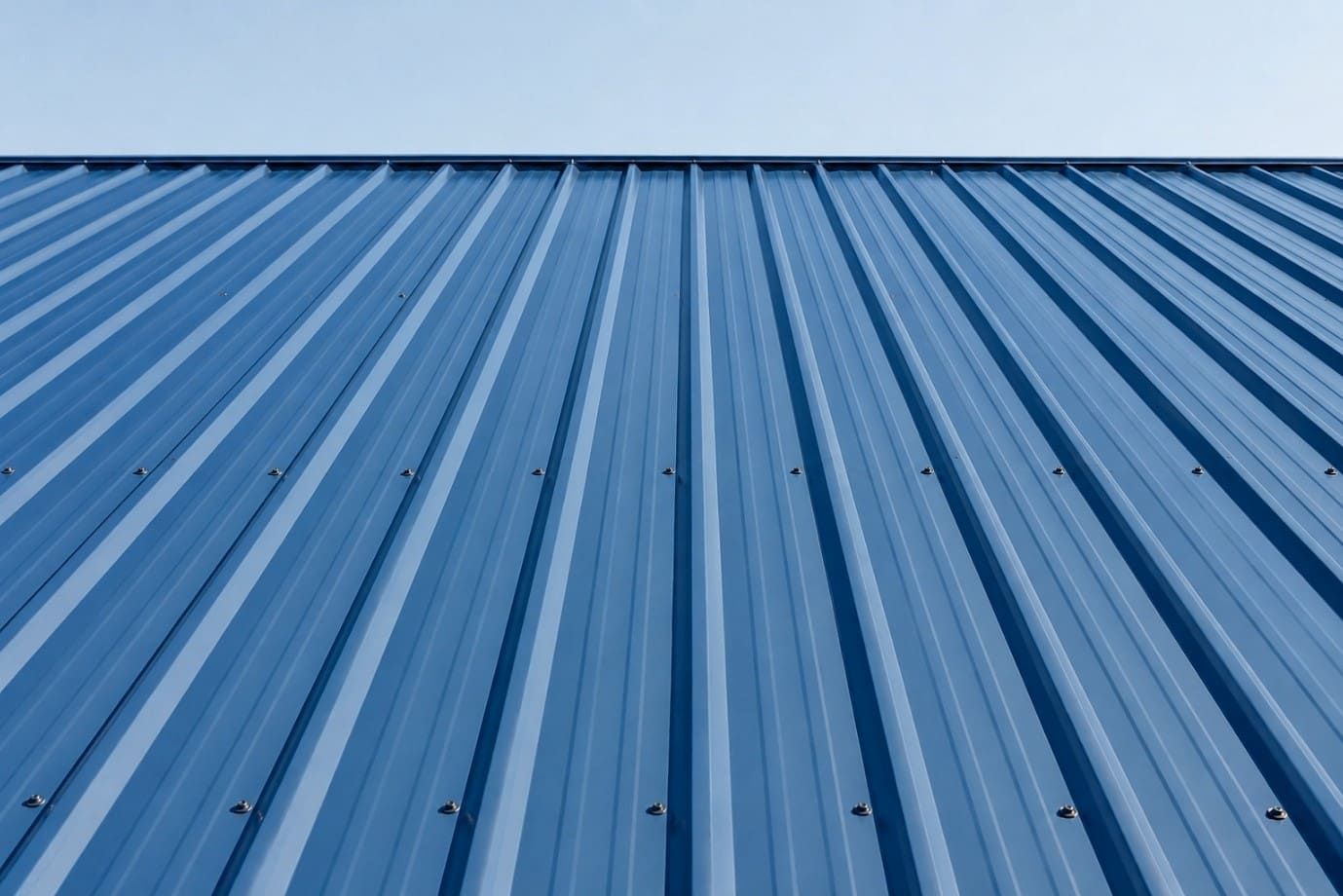
A profile sheet is a formed metal sheet commonly used for roofing and wall cladding in industrial, commercial and agricultural buildings. Unlike flat metal sheets, these sheets have specially designed ribs, curves or folds that increase stiffness and help water flow away from the roof. Their lightweight construction, strength and easy installation make them a practical choice for factories, warehouses, workshops and general-purpose sheds.
What Is a Profile Sheet

A roofing profile sheet is manufactured by passing metal through forming machines to create a specific pattern. Depending on the project, the sheet may be made from galvanized steel or coated steel such as PPGI profile sheet and PPGL profile sheet. Colour coated profile sheets are also available in different finishes, allowing building owners to select an appearance that suits the structure. Common designs include a corrugated profile sheet and trapezoidal profile sheet, each offering different structural and visual characteristics.

During installation, profile roof sheets are placed over the building’s structural framework and secured using suitable fasteners. The ribs provide additional stiffness while the sloped profile helps rainwater move toward the drainage system. Proper overlaps, fasteners, flashings and sealing are important to reduce the risk of water leakage.

One of the key advantages of a profile sheet design is its versatility. A GI profile sheet can be suitable for basic roofing requirements, while coated options can provide improved surface protection and appearance. However, a standard profile sheet mainly functions as a roofing layer and may require separate insulation where greater thermal protection is needed.

PUF Roof Panels vs Profile Sheets: Key Differences

Both PUF roof panel and profile sheet can provide reliable protection for industrial, commercial and other buildings, but they are designed with different priorities in mind. A roofing profile sheet primarily provides the outer roofing layer, while PUF panels combine roofing and thermal insulation in a single system. The following comparison highlights the key differences and can help you understand which solution may better suit your project.
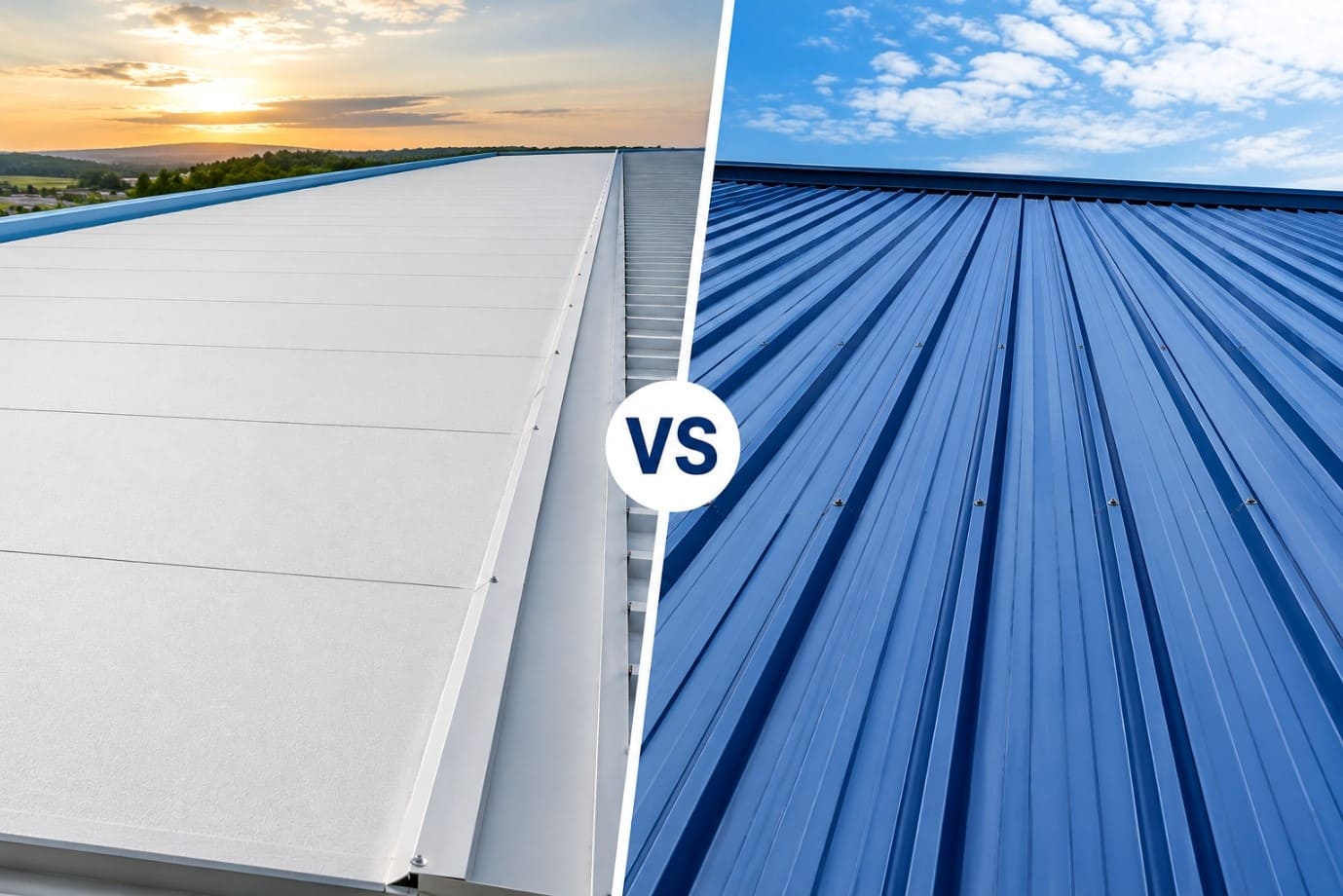
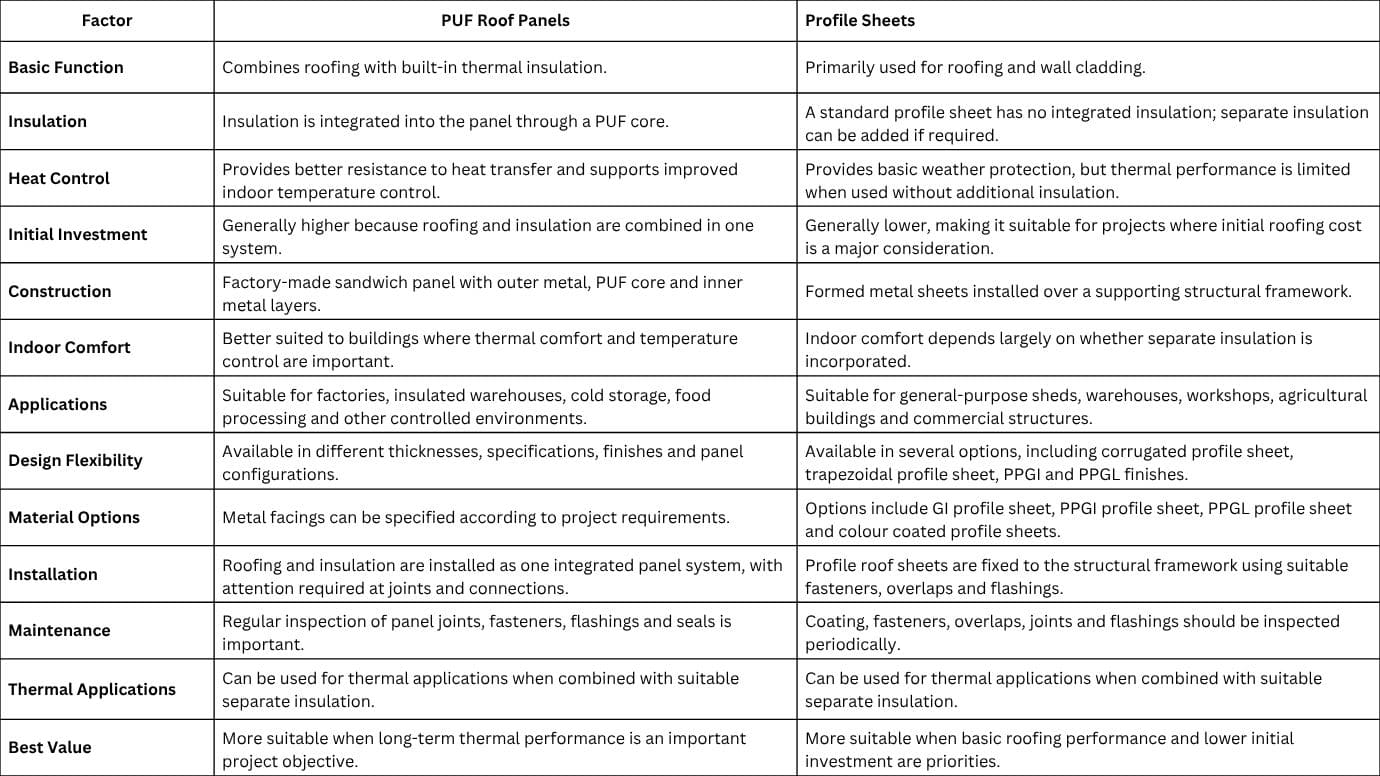
PUF Roof Panels vs Profile Sheets Key Differences

➤ Key Differences


PUF Roof Panels vs Roof Profile Sheets Key Differences

Neither system is automatically the right choice for every building. The better option depends on the building’s function, climate, insulation requirements, budget and desired long-term performance. For general-purpose structures, a profile sheet can be a practical solution, while PUF panels become more suitable when thermal insulation and indoor temperature control are important.

PUF Roof Panel or Profile Sheet: Which Is Better for Different Applications?

The right roofing solution depends on how a building will be used, the level of insulation required, local weather conditions and the project budget. A profile sheet can be a practical choice for general-purpose structures, while PUF panels are better suited to applications where thermal insulation and temperature control are important.
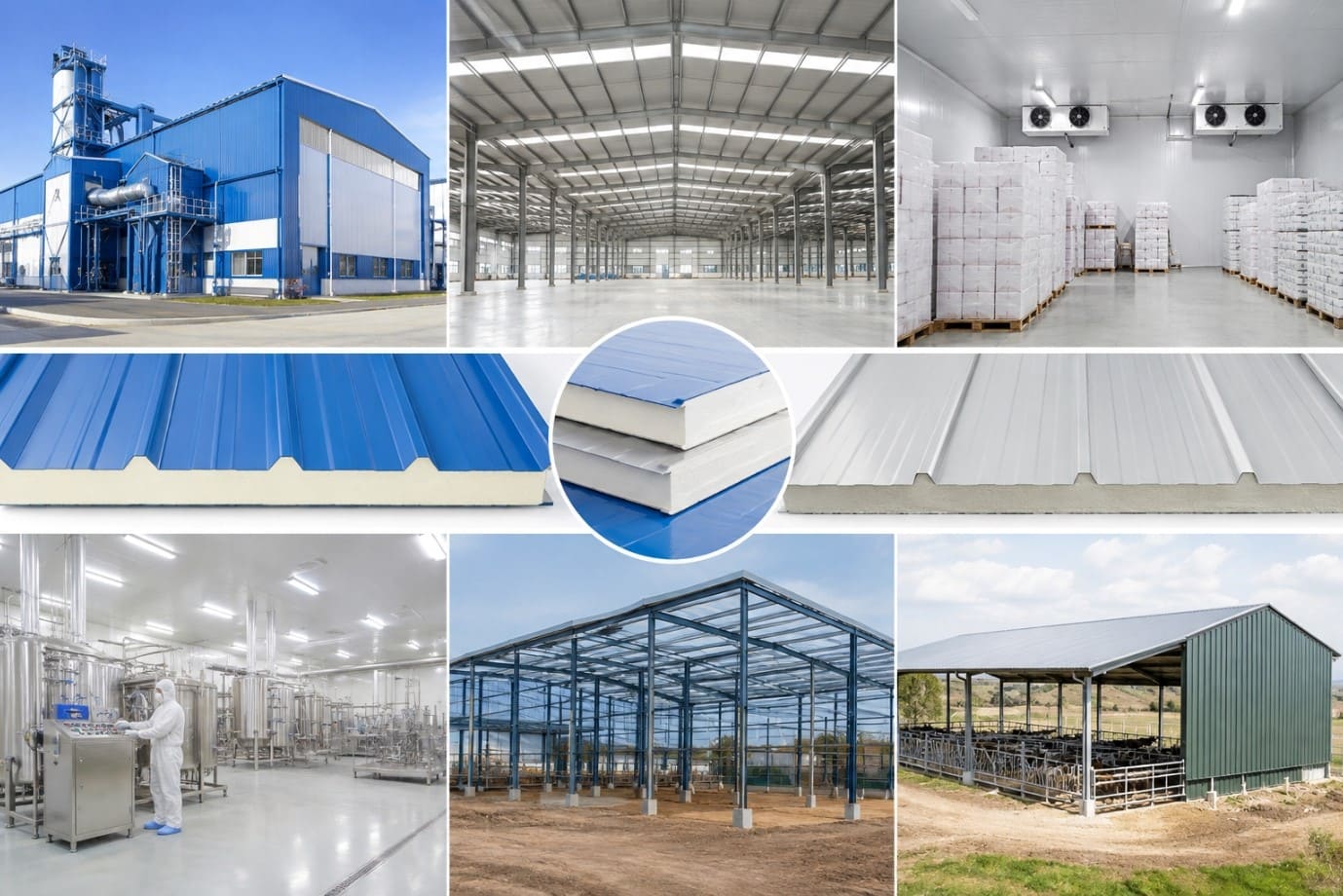
PUF Roof Panel or Profile Sheet Which Is Better for Different Applications

➤ Factory and Industrial Sheds

For factories and industrial sheds, PUF panels are suitable when reducing heat transfer and improving indoor comfort are priorities. Their insulated construction helps create a better thermal barrier. A roofing profile sheet, however, can be a cost-effective option when the main requirement is reliable weather protection. GI profile sheet, PPGI profile sheet and PPGL profile sheet options can be selected according to the project’s requirements. For detailed information, you can go through our dedicated blog on PUF Panel Industrial sheds.

➤ Warehouses

The type of goods being stored should influence the roofing choice. For general storage, profile roof sheets can provide effective weather protection at a relatively lower initial cost. For warehouses storing food, pharmaceuticals or other temperature-sensitive products, PUF panels offer an advantage because insulation is built into the roofing system.

➤ Cold Storage

Cold storage facilities require effective thermal insulation to maintain controlled temperatures. For this reason, PUF panels are generally a more suitable choice than an uninsulated profile sheet. Their insulated core helps reduce unwanted heat transfer through the building envelope. Detailed information can be seen in our dedicated page on Cold Storage Solutions.

➤ Pharmaceutical and Food Processing Facilities

These facilities often require thermal control, hygiene and controlled internal conditions. PUF panels can support these requirements and are commonly considered for insulated areas and specialized environments such as clean rooms.

➤ PEB Buildings

Both PUF panels and profile roof sheets can be installed with Pre-Engineered Buildings. The selection depends on insulation needs, building use and budget. Options such as a corrugated profile sheet or trapezoidal profile sheet can provide different structural and visual characteristics. For more information, you can read our in-depth page on Pre-engineered Buildings.

➤ Commercial Buildings

For commercial buildings, appearance, comfort and maintenance are important. Colour coated profile sheets offer design flexibility, while PUF panels can provide stronger thermal performance.

➤ Agricultural and Utility Sheds

For workshops, agricultural structures and basic utility sheds where insulation is not a major requirement, a profile sheet can be a practical and economical roofing solution. On the other hand, if insulation is a concern, PUF roof panels are used. For more information, read our dedicated blog on PUF Panel Poultry farms.

How to Choose the Right Roofing Solution

The right roofing system should be selected based on building performance requirements rather than material price alone. A well-planned choice can improve comfort, durability and overall building performance while avoiding unnecessary costs later. Whether you choose PUF panels or a profile sheet, the decision should be based on the building’s actual requirements.
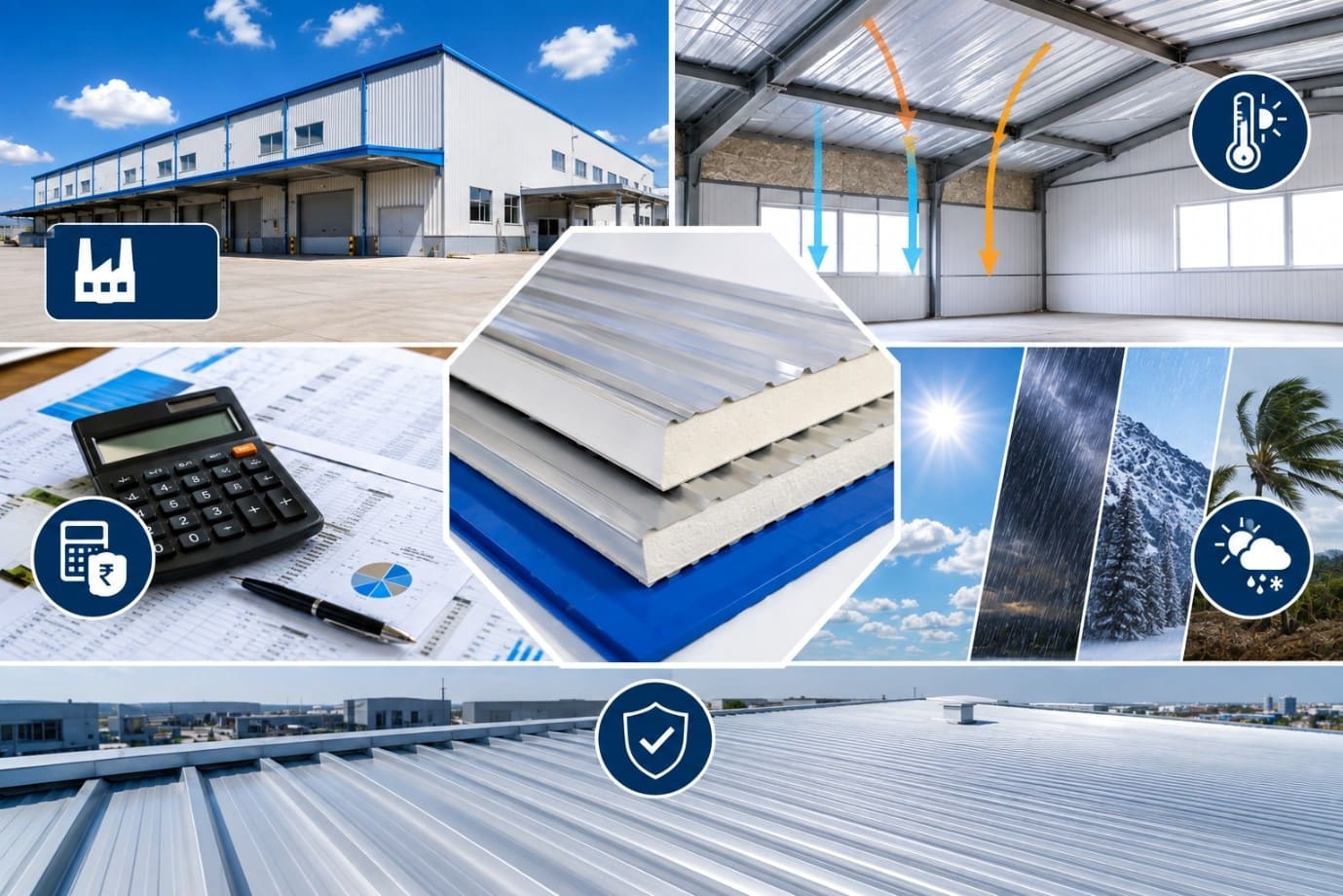
How to Choose the Right Roofing Solution

Ultimately, the best roofing decision balances initial investment, performance, operating cost, maintenance and expected service requirements rather than focusing on material price alone.

Why Choose MAKS Engineering for PUF Roofing Solutions?

Choosing the right roofing system is about more than selecting a material. It requires understanding the building, its operating conditions, insulation requirements and long-term performance. MAKS Engineering brings experience in engineering and prefabricated construction to help customers select and implement roofing solutions based on their specific project needs.

With experience across industrial and specialized building applications, MAKS Engineering offers solutions for:

MAKS Engineering can also help evaluate different roofing options where a profile sheet may be more appropriate. Depending on the project, this can include a GI profile sheet, PPGI profile sheet, PPGL profile sheet or colour coated profile sheets. Different options, such as a corrugated profile sheet or trapezoidal profile sheet, can be considered based on structural and design requirements.

Rather than recommending the same roofing system for every project, the focus is on understanding the application and selecting a solution that balances performance, durability, installation requirements and budget.

FAQs:

Q1. What is the difference between a PUF roof panel and a profile sheet?

A. A PUF roof panel combines roofing and insulation in one system, while a profile sheet primarily provides weather protection. Separate insulation can be added to profile roofing when required.

A. PUF panels are generally more suitable when heat control and indoor comfort are important. A roofing profile sheet can be practical when basic weather protection and lower initial cost are the main priorities.

A. Yes, PUF panels generally have a higher initial cost because insulation is integrated into the panel. Profile roof sheets may cost less initially, but additional insulation can increase the overall system cost.

A. Yes. Colour coated profile sheets offer different finish and colour options, making them suitable for many commercial and industrial structures where appearance is also important.

A. A PPGL profile sheet can be considered for industrial roofing where coated steel with suitable corrosion protection is required. Material selection should match the site’s environmental conditions. For insulation, roof PUF Panels would be used.  You can also read our dedicated blog on PPGI vs PPGL Sheet.

Conclusion

Choosing between PUF roof panels and a profile sheet depends on what your building needs from its roof. Both options can provide effective weather protection, but their construction and performance are different. PUF panels are designed to provide roofing and thermal insulation together, while a conventional roofing profile sheet primarily provides the outer protective layer.

PUF roof panels are generally better suited for factories, warehouses and specialized facilities where thermal insulation is important. They can help limit heat transfer and support a more stable indoor temperature, making them particularly useful for air-conditioned or temperature-controlled buildings. Cold storage, food processing and other temperature-sensitive applications can benefit from an integrated insulated roofing system. When cooling efficiency and indoor comfort are important, the additional investment in PUF panels may offer greater long-term value.

A profile sheet can be a practical choice when the main requirement is reliable weather protection at a lower initial roofing cost. General-purpose sheds, workshops, agricultural buildings and utility structures may not require integrated insulation. Depending on the project, options such as a GI profile sheet, PPGI profile sheet or PPGL profile sheet can be selected. Colour coated profile sheets, corrugated profile sheet and trapezoidal profile sheet designs also provide flexibility in appearance and application.

Ultimately, the decision should consider the building’s purpose, climate, insulation requirements, budget and expected operating conditions. The right choice isn’t simply PUF versus profile sheet. It is about selecting the roofing system that delivers the required performance for the specific building.

For more information about our products and services, you can explore our Homepage.

Call Now Button